Heritage British-Made Women's Bags, and Satchels — Voted by the Community
 BridalCasualClassicLondon · est. 2011 · Premium
Clothing made in England attempting a variety of solutions towards less extractive fashion systems. Est 2011.
 CountryHeritageHighlandBeauly, Scotland · est. 1858 · Affordable
Campbell's of Beauly, established in 1858, is a Scottish family-run country tailor and outfitter known for bespoke tweeds, traditional clothing, and fishing equipment reflecting Highland heritage.
 FormalHeritageHighlandScotland · est. 1868 · Luxury
Kinloch Anderson is a prestigious Scottish textile company founded in 1868 by William Anderson in Edinburgh, specialising in kilts, tartans, and Highland dress.
 BridalCasualClassicAbergavenny · est. 2023 · Luxury
Ednerat designs and makes women's coats, clothing and accessories. Everything we offer is made by hand in the British Isles. We champion our makers and use British textiles and materials in everything we can.
 ContemporaryCyclingHeritageGlasgow · est. 2010 · Premium
Trakke is a brand that designs and manufactures high-quality, durable outdoor gear and accessories, including backpacks, bags, and accessories. They prioritise craftsmanship, functionality, and sustainability, using premium materials.
 ClassicFormalHeritagein the UK · est. 1750 · Luxury
Swaine is a British heritage brand established in 1750, renowned for handcrafted luxury leather goods and accessories, serving royalty and discerning clients for centuries.
 ClassicFormalHeritageWalsall · est. 1934 · Luxury
Ettinger is a British luxury leather goods brand founded in 1934, family-owned and manufacturing handcrafted products in the UK with a Royal Warrant from HRH the Prince of Wales.
 EthicalHeritageSlow FashionEnfield, London · est. 2012 · Premium
Church of Sanctus, established in 2012 by Lucinda Sinclair, handcrafts ethical gothic clothing in England..
 ClassicContemporaryHeritageSyston, Leicestershire · est. 2008 · Premium
Cambridge Satchel Company crafts classic leather satchels and bags, handcrafted in England since 2008. Celebrating British craftsmanship and timeless style.
 Yorkshire, England · est. 2009 · Premium
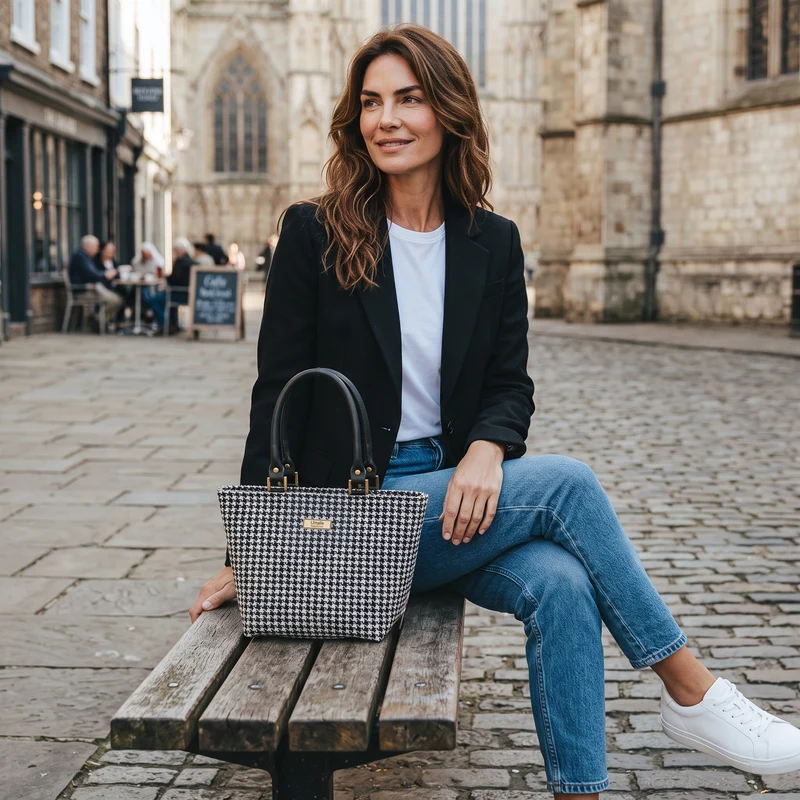
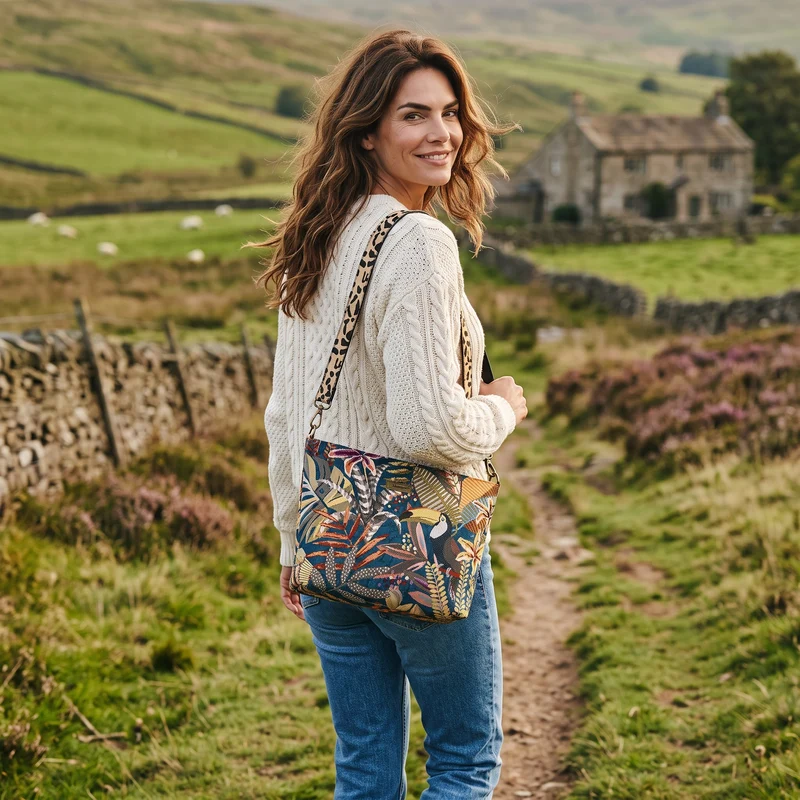
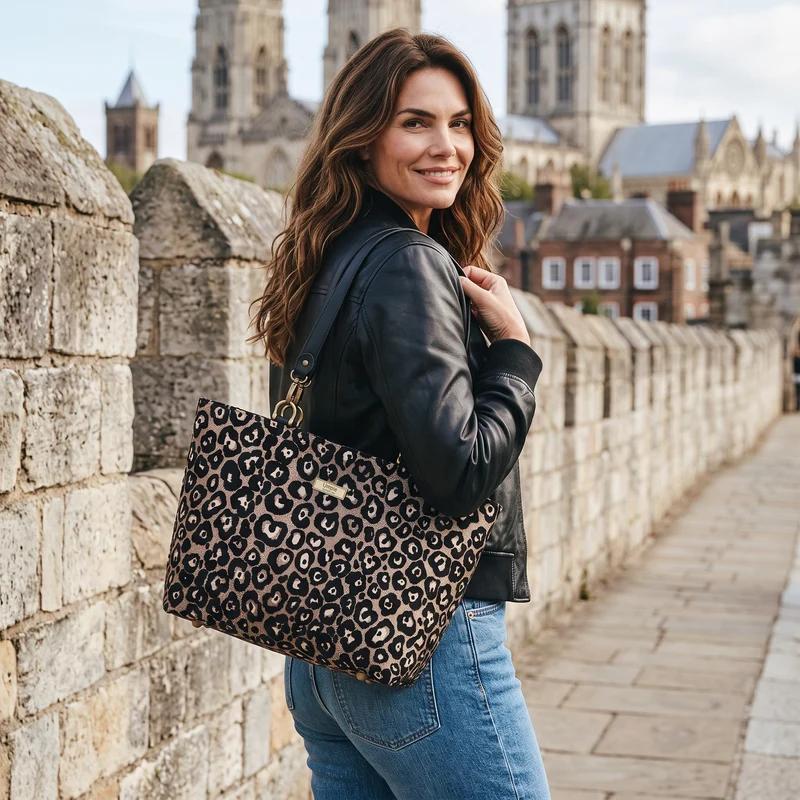
Handmade British handbags with real character. Every Umpie bag is individually crafted in Yorkshire using exclusive heritage fabrics — unique, artistic pieces made to be loved for a lifetime.
 ClassicContemporaryHeritageLavendon, Buckinghamshire · est. 1875 · Luxury
Tusting is a British family-owned leather goods brand founded in 1875, crafting luxury bags in England with five generations of expertise and traditional methods.
 ClassicCountryEquestrianStaffordshire · est. 2015 · Premium
Handcrafted leather handbags and accessories made in the heart of Staffordshire
 ClassicFormalHeritageGlasgow · est. 1887 · Luxury
McRostie of Glasgow crafts handmade leather goods in Scotland, maintaining exacting standards since 1887. Each piece is made using traditional craftsmanship and the finest British materials.
 ClassicCountryHeritageWalsall · est. 2022 · Luxury
Beorma Leather Company crafts handmade luxury leather goods in England, blending tradition with sustainable craftsmanship since 2022.
 ContemporaryHeritageHighlandScotland · est. 2019 · Premium
Scottish Textiles Showcase is an independent Edinburgh brand championing authentic Scottish wool mills and artisans, specialising in natural fibre textiles made in Scotland.
 ClassicFormalHeritageEngland · est. 1988 · Premium
Pickett London, founded in 1988 by Trevor Pickett, is a British brand known for handmade luxury leather goods crafted in England with artisanal expertise.
 ClassicFormalHeritageEngland · est. 2005 · Luxury
Deni-Deni is considered one of the finest sampling and manufacturing houses in the country, serving the fashion and interiors market. Preserving the legacy of British craftsmanship, its founder, Denise Pearson, offers bespoke training.
 CountryHeritageOutdoorEngland · est. 1957 · Luxury
Thorndale is a British brand with over 60 years of heritage, rooted in UK manufacturing and family ethos. Their quality-conscious approach delivers enduring craftsmanship.
 ClassicCountryHeritageEngland · est. 1984 · Luxury
Chapman is a British brand founded in 1984, handcrafting durable bags and accessories in Cumbria. Known for timeless designs and quality craftsmanship, Chapman products are built to weather all adventures.
 CountryEthicalHeritageMelton Mowbray · est. 2007 · Luxury
Cherchbi is a British clothing brand founded in 2007 by Adam Atkinson, specialising in bags crafted from discarded Herdwick wool and premium materials.
 ClassicHeritageOutdoorSomerset · est. 1948 · Luxury
Owen Barry is a British brand handcrafting sheepskin and leather products in Somerset since 1948, continuing a family tradition across four generations.
 FormalHeritageHighlandEdinburgh · est. 2009 · Luxury
Gordon Nicolson Kiltmakers create authentic handmade kilts rooted in Scottish craftsmanship, supported by their Edinburgh Kiltmakers Academy since 2009.
This independent directory lists only UK-made clothing brands.
Why choose British-made?
- Support British manufacturing and preserve traditional craftsmanship
- Invest in quality clothing built to last with premium materials
- Choose ethical, transparent supply chains you can trust
- Reduce your carbon footprint by buying locally made products
- Discover authentic British design and heritage brands
A Brief History of British Made Bags
Hand-carried bags and purses have long been practical accessories in clothing traditions, evolving in form as needs and materials changed. In Britain, the development of quality bag manufacture grew alongside established leatherworking and textile trades. By the nineteenth century, towns with tannery and leather production — supported by skilled cutters, sewers, and finishers — were producing a range of leather goods for daily use. Early bag forms for women were often small pouches or reticules used to carry coins and small items, and as clothing silhouettes changed over time, larger structured bags became common for holding personal items, paperwork, and travel essentials. Leatherworkers who historically made saddles, harnesses, and other durable goods adapted their skills to bags and cases, emphasising sturdy materials and craftsmanship. Throughout the twentieth century, British makers continued to produce bags that balanced utility and style, reflecting local material expertise and production standards. Contemporary British-made women’s bags draw on this background of leatherworking and accessory production, combining quality fabrics and construction with designs suited to modern wardrobes and everyday needs.