


















25 October 2026Rumi
How to Wear a Silk Scarf | Rumi London
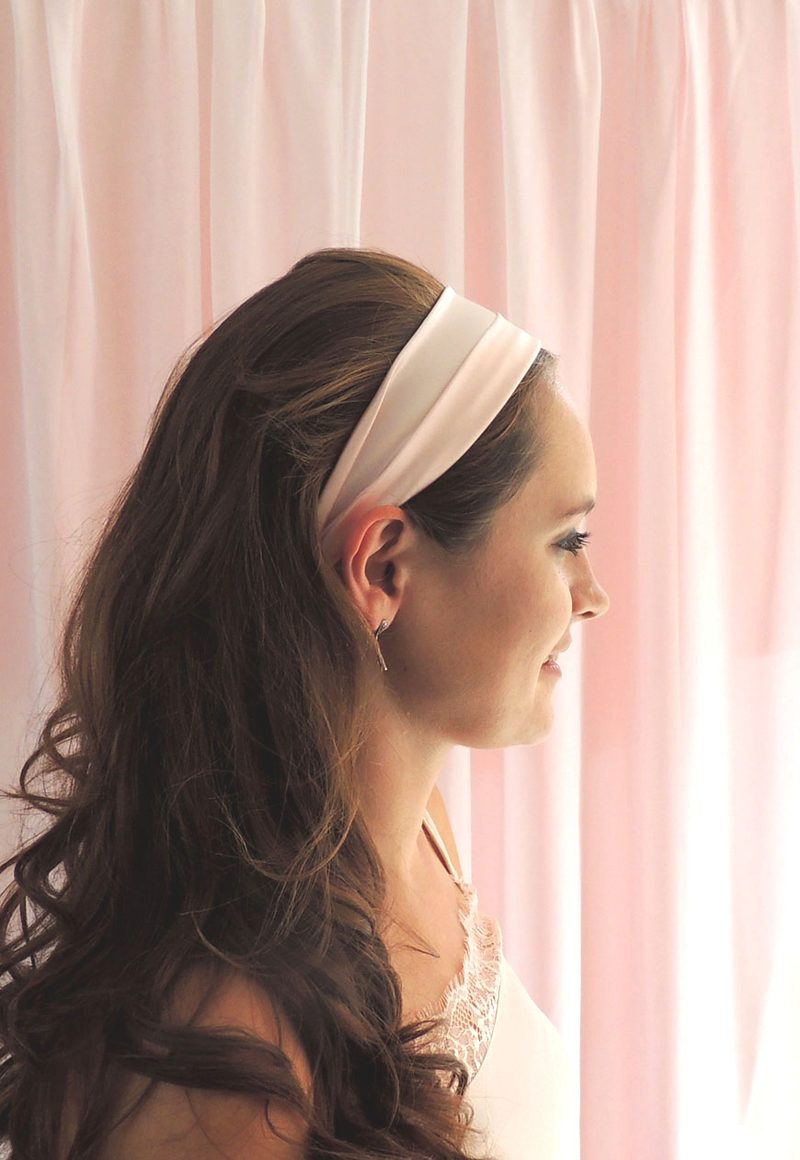
Discover timeless and modern ways how to wear a silk scarf with Rumi London silk scarves—from classic neck knots to chic accessories and bold statement styles.
389 brands that make in the UK
British Made Clothing is an independent directory of clothing brands that manufacture in the UK. We highlight British-made clothing brands — from heritage labels to modern independent brands — producing garments in England, Scotland, Wales, and Northern Ireland.
Explore 389 UK-made clothing brands across menswear, womenswear, childrenswear, and babywear — including brands that manufacture fully in the UK as well as those with partial UK production.
Search a town, a postcode or what you are after.


RUMI is a contemporary British brand with a strong core of sustainable luxury accessories for men and women. The RUMI label includes unisex silk accessories – scarves, ties, pocket squares, twillies, in 100% silk.
Discover the brandProducts chosen by the brands themselves, each linking straight to the maker's shop.
Brands the community has voted for recently. Your upvotes help others discover great British-made brands.
Discover the latest industry news and brand stories from British clothing brands.
25 October 2026Rumi
Discover timeless and modern ways how to wear a silk scarf with Rumi London silk scarves—from classic neck knots to chic accessories and bold statement styles.
23 October 2026Draper of Glastonbury
Are you familiar with footwear that is specially designed for home floor purposes? If you look around or explore the Internet, you'll find a shearling house slipper, and yes, this is one of the categories of footwear that everyone loves to wear all the time. The indoor shearling slippers are used to freely walk around the house floor. And, it also carries major benefits that cannot be found in other footwear out there. Below mentioned are the benefits of the sheared indoor slipper. Scroll down… Why Shearling House Slippers Are The 1st Choice of Every Individual ? There are various qualities of shearling house slippers, discussed below to make you aware of their useful properties. 1. Traditionally hand-made with 100% genuine material The first quality of this slipper is that it is made with high-quality material, i.e. suede for the upper part and shearling for the inner lining. And, the sole is made with extreme quality rubber and suede as well. These natural materials make the footwear look amazing and provide everyone with complete comfort and relaxation. 2. An anti-slip sole It is an anti-slip sole, which prevents you from slipping on the floor and provides better traction when walking. The modern-designed slipper is advantageous for slippery floors, as it has the perfect grip to give a smooth walk on the floor of the house. 3. The wide collection of different colors and styles The shearling indoor slip shoe comes in a wide range of stunning designs and textures in mule, moccasin, and Grecian slipper types with different alluring colors like dark brown, light brown, nut, spice, copper, cherry, wine, plum, graphite, black, and many more. 4. Cloud-like weight The best thing about this slipper is it's very lightweight. Whenever you wear a pair of indoor shearling slip-shoe, you will never feel that you are wearing something hefty. It gives a soft and feathery feel, and you’ll never want to take them off your foot. 5. Suitable for all seasons Again, the most suitable quality of this footwear is that it can be worn in any season. This is because of its thermal insulation property. In the winter season, it provides extreme warmth to the foot, and in the summer, it is breathable, i.e., an amount of air through the pores of the slipper keeps the feet cool and dry, along with its sweat-resistant property, which keeps the feet dry and odor-free in all seasons. Shop for The World’s Best Slippers From Our Renowned Footwear store Explore our website showcased a wide range of shearling slippers to choose your favorite color and design of shearling house slippers. And, relax in the coziest footwear crafted with the softest and most high-quality materials. Have a great time shopping!
20 October 2026Draper of Glastonbury
Everyone's favorite snugly, cozy, and comfy footwear has evolved into the year's most trendy and in-demand slipper. The shearling mule slippers collection is developed for both men and women, making it the ideal match and choice for everyone. Furthermore, the renowned mule slipper has numerous properties that can provide you with fantastic pleasure when worn. It is the ideal product to spend your money on because it provides the comfiest feeling ever. Scroll down to learn more about the in-demand slip-shoe. Why Shearling Mule Slippers Have Become So Popular Unlike traditional slippers, mule slippers are open at the back, making them extremely convenient to wear on a daily basis. Made with genuine shearling lining, these slippers provide natural insulation and softness that many synthetic slippers cannot match. Their popularity has grown because they fit seamlessly into modern lifestyles. Whether you're working from home, enjoying a quiet weekend, or simply looking for comfortable footwear after a long day, shearling mules deliver both comfort and practicality. Unique Design and Style of Shearling Mule Slippers The unique design of shearling mule slippers is the most wonderful product to date. They come in different fashionable styles, which can be worn with any outfit. Whether you want to go to the office, party, shopping, or just want to snuggle in at home, they can be worn anywhere and at any time. Furthermore, the backless style has an upper area made with thick mule material; the lining is done with shearling material, which is the world’s coziest material and has the highest quality rubber sole. However, the wide range of collections also comes in different color shades, so you can match it with your outfit and go wherever you want. These slippers come in both genders in the perfect shape and sizes. A Slipper with Several Surprising Benefits Breathable - Yes, it has the quality of breathability, which allows the skin to breathe naturally. When worn, it doesn’t make you feel irritated and can be worn all day long. Comfortable - The thick cushioning of shearling material gives the most comfortable feeling without making your aching body feel pain. This is also due to the arch support that keeps feet free from aches. Sweat resistant - Shearling contains natural fibres that feel exceptionally gentle against the skin. Its softness helps reduce rubbing and discomfort, making it a popular choice for those who value everyday comfort. Naturally Soft on Sensitive Feet - Shearling contains natural fibres that feel exceptionally gentle against the skin. Its softness helps reduce rubbing and discomfort, making it a popular choice for investing in mule slippers those who value everyday comfort. All weather-friendly - It is a natural insulator and can be worn in any weather without feeling extra hot or cold. It balances the temperature of the body and suits it in every climate. Winding Up! So, everyone, it's time to choose your shearling mule slippers for favorite style and colors and get cozy in the ambiance of the slip-shoe. Give yourself the
19 October 2026Corgi Socks
<p>Embrace autumn with luxury wool socks, cashmere knitwear and timeless accessories. Discover beautifully crafted seasonal favourites, made in Wales.</p><p><a class="read-more" href="https://www.corgisocks.com/blogs/news/the-art-of-dressing-for-autumn-timeless-wool-socks-knitwear">More</a></p>
19 October 2026Gushlow & Cole
Do you ever think “Why is this shearling coat £800 and that one £8,000?”. Learn the true differences in sheepskin grades, craft, design, and luxury pricing.
14 October 2026Rock and Ruby
Welcome to this edition of In Good Company, where we love to meet and celebrate the people who inspire us. This month, we meet Gemma McKell @folkandkin— a photographer based in Cumbria, living with her husband, their two younger daughters and their dog, Ned. Her style is relaxed, eclectic and a little oversized, built
We help shoppers understand where clothing is made, support British manufacturing, and provide clarity around “Made in Britain” claims. Browse by category, price range, style, or manufacturing location to discover high-quality clothing produced in the UK.
Brands can now show their products on category pages like men's jumpers, women's scarves and men's t-shirts. Browse them all on our Products page, each linking straight to the maker's shop.
Help quality British-made independents, artisans and small businesses get the recognition they deserve by upvoting your favourites. Your upvotes directly influence brand rankings within specific product categories, ensuring that the best rise to the top. Anyone can upvote (no account required), and your votes help others discover exceptional British manufacturing.
We also publish insights, brand stories, and industry updates in our News & Stories section — a dedicated resource for British-made clothing and footwear.
Our interactive map shows where brands are based across the UK and the shops, factory shops and stockists where you can buy from them. It keeps growing as we and the brands add more places.
British Made Clothing exists to make it easier to understand where clothing is made. We provide a clear overview of UK clothing brands, highlighting those that manufacture fully in the UK as well as brands with partial UK production, so users can make informed choices about British-made clothing.
These brands help make British Made Clothing possible. We're grateful for their support.