Womenswear
Highland British-Made Women's Bags and Satchels — Voted by the Community
This directory lists 6 brands that make highland women's bags in the UK. They are most often based in Edinburgh. Prices run from affordable to luxury. Ranked by community upvotes.

Umpie Handbags
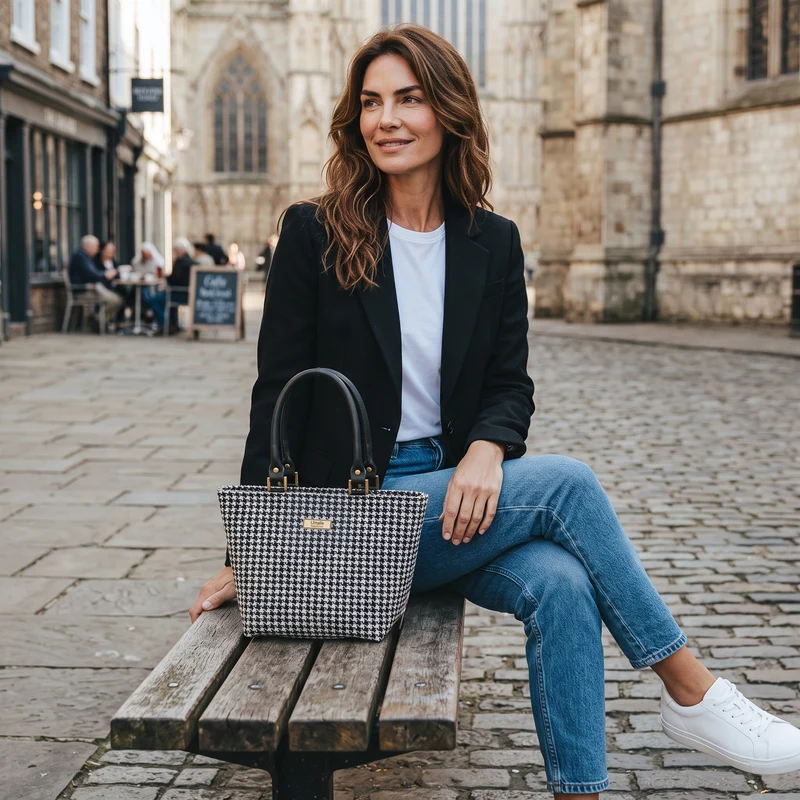
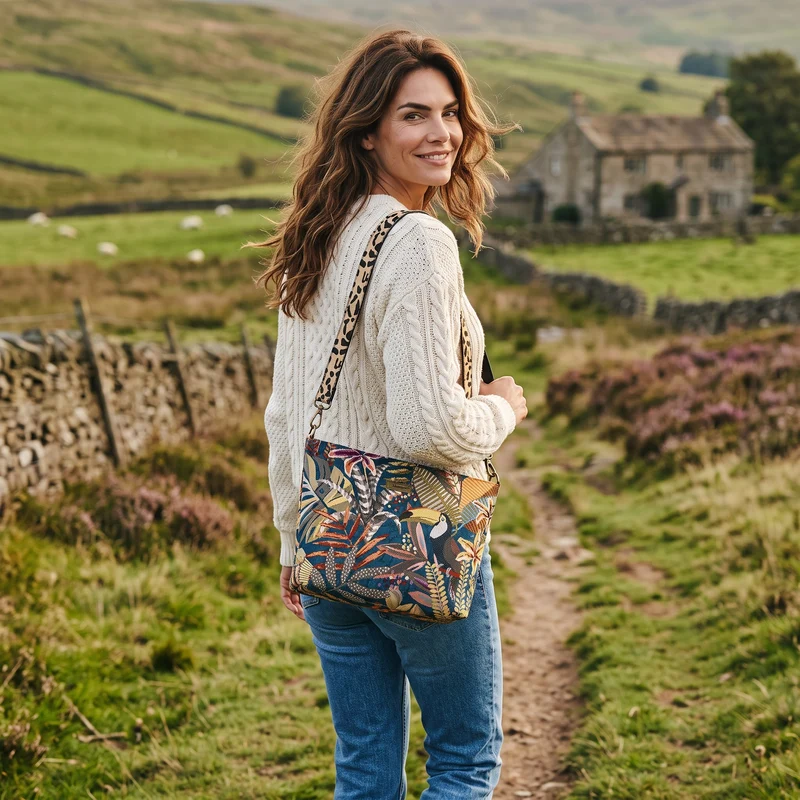
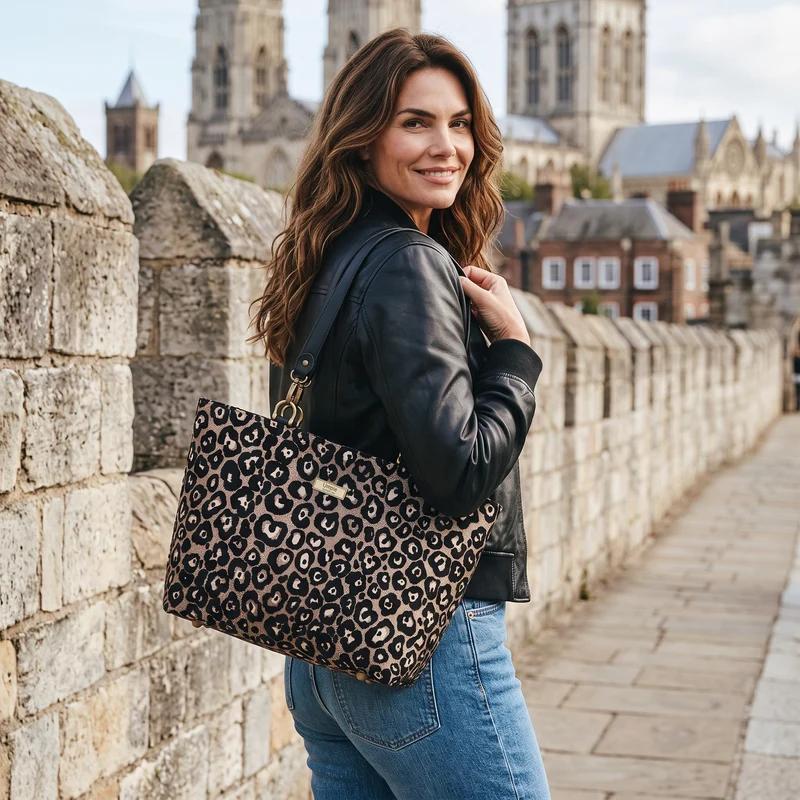
Handmade British handbags with real character. Every Umpie bag is individually crafted in Yorkshire using exclusive heritage fabrics — unique, artistic pieces made to be loved for a lifetime.

Kinloch Anderson
Kinloch Anderson is a prestigious Scottish textile company founded in 1868 by William Anderson in Edinburgh, specialising in kilts, tartans, and Highland dress.
- Formal
- Heritage
- Highland
Shop to visit- Formal
- Heritage
- Highland
 See these brands on the map14 places from 6 brands, 9 of them shops you can visit.Open the map
Lochcarron of Scotland
Lochcarron of Scotland is the world’s leading manufacturer of tartan, producing over 500 authentic Scottish tartans since 1947.
- Highland
Factory shop- Highland

Campbell's of Beauly
Campbell's of Beauly, established in 1858, is a Scottish family-run country tailor and outfitter known for bespoke tweeds, traditional clothing, and fishing equipment reflecting Highland heritage.
- Country
- Heritage
- Highland
Shop to visit- Country
- Heritage
- Highland
Scottish Textiles Showcase
Scottish Textiles Showcase is an independent Edinburgh brand championing authentic Scottish wool mills and artisans, specialising in natural fibre textiles made in Scotland.
- Contemporary
- Heritage
- Highland
Shop to visit- Contemporary
- Heritage
- Highland

Gordon Nicolson
Gordon Nicolson Kiltmakers create authentic handmade kilts rooted in Scottish craftsmanship, supported by their Edinburgh Kiltmakers Academy since 2009.
- Formal
- Heritage
- Highland
Shop to visit- Formal
- Heritage
- Highland
Shops run by brands that make highland women's bags
5 of the 6 brands that make highland women's bags have a shop you can visit: 3 in Edinburgh, others in Beauly, Dornoch, Selkirk and 2 other towns.
Gordon Nicolson, Kinloch Anderson, Scottish Textiles Showcase
Beauly
Dornoch
Selkirk
Lochcarron of Scotlandfactory shop
St Andrews
Wester Ross
This independent directory lists UK-made clothing brands, and marks those that make only some items here.Why choose British-made?
A Brief History of British Made Bags
From about 1650 until the late nineteenth century, many women carried their belongings in tie-on pockets: separate pouches tied round the waist under the skirt and reached through openings in the dress. In the 1790s, slimmer dresses with fewer petticoats made these pockets awkward, and many women began carrying small drawstring bags instead. Known as reticules or indispensables, they held a purse, smelling salts and a handkerchief, and were often made and decorated at home. The word handbag first meant hand luggage, usually carried by men when travelling. In the later nineteenth century the leather travelling bag, with its metal fastenings, inside compartments, ticket pockets and sturdy handle, inspired a new handbag for women, the forerunner of the twentieth-century handbag. Some British saddlers and harness makers turned to bags as well. In Walsall, the centre of the saddlery trade, some firms were making travelling bags and other light leather goods from the 1870s, and turned more of their work to them as motor vehicles replaced horses after 1900. British-made women's bags today draw on this background of leatherwork and accessory making.