
11 February 2021De Winter
The new De Winter Warwick in snuff waxed suede
We are excited to announce the arrival of another entry to our Warwick range. The Warwick in snuff waxed suede.
This is the UK’s dedicated feed of news from clothing and footwear brands that manufacture here. We gather collection launches, factory and mill stories, and industry coverage from brand blogs, RSS feeds and a handful of trusted sources, then publish it in one place.
11 February 2021De Winter
We are excited to announce the arrival of another entry to our Warwick range. The Warwick in snuff waxed suede.

5 February 2021De Winter
We are excited to announce the arrival of our new De Winter Belvoir. This brogue lace boot is a beautiful addition to the De Winter roster.

30 January 2021Carnwear
How carnwear came about from a love of the Cornish landscape, a passion for craft and connection to tactility.

14 January 2021KerrieALDO
A Q&A going over the ideas, inspiration and process behind this Custom Works made to order 1 of 1 waxed cotton smock.

14 January 2021De Winter
Has Church's prices become inflated by their brand name? We will comapre our De Winter Warwick to Chruch's Ryder 3.

8 January 2021De Winter
Cheaney & Sons are a popular manufacturer of fine leather footwear. Are they worth the money? We will compare Cheaney to De Winter.

7 January 2021Dapper & Suave
Vintage meets high street is one of the reasons that we started Dapper & Suave. We began to appreciate that chasing the latest trends isn't as satisfying as finding a classic look, often adding vintage pieces with high street items. Our vintage bow ties are a perfect example of how to embrace this look.We are proud to have customers for these vintage pieces from around the world, many of whom often return for another purchase, for which we are very grateful.One of them left us a note just before

1 January 2021Carnwear
Intarisa knitting can provide a framework for spontaneously knitting pattern. I use this technique to develop landscape inspired designs.

30 December 2020Gushlow & Cole
The story behind the ‘Made By’ label: it all started when I happened upon a a beautiful, vintage skirt in our fancy dress cupboard...

15 December 2020Gushlow & Cole
Our last minute Christmas edit has everything you need from luxury homewear to the ultimate shearling Gilet...explore luxury gifts!

10 December 2020Cocoove
The Brilliantly British Campaign by Kat Hops and featuring Cocoove.

22 November 2020United Overalls
<p>A while ago Tom was involved in a very unique and obviously denim focused event called Global Denim Hang. If you missed our interview featuring Chris Hewitt from Hewitt Heritage Fabrics (the mill that weaves our denim) then you can now check it out on the Youtube link below, where Ben has uploaded all the segments from the Global Denim Hangs.</p> <p>Huge thanks to Ben and Amanda for having the both of us on and we are sure there is more in the pipelines from them both!</p> <p><a href="https://www.youtube.com/watch?v=vms4U39ktEw">https://www.youtube.com/watch?v=vms4U39ktEw</a></p>

20 November 2020Dapper & Suave
We love a reason to celebrate and this weekend it will be 5 years since our best friend accidentally named our future business!Which is which?Ever wondered which of us is Dapper & which of us is Suave? The answer is neither!The main thing about Dapper & Suave is that it is a feeling, a style, and how those things can build up inner confidence. For us that confidence has built over time as we entered our 40s, but we've learned through 2020 that it can waver as you try to find your feet when every

18 November 2020Hettie
Escape to the country with Hettie in our latest lifestyle journal . Support our wonderful British heritage and buy British with Hettie

13 November 2020Hettie
None of us feel we can plan , so this Christmas feels more important than ever to choose the perfect present . And there has never been a better time to Buy British.

12 November 2020Ratcatcher
Wearing a cap or hat with the Ratcatcher label means so much more than the great quality and aesthetic appeal so immediately obvious. Its all about the people involved in making these iconic items of headwear and the skills employed, which have been passed down through generations. The following video shows just how th

4 November 2020Kate Sheridan
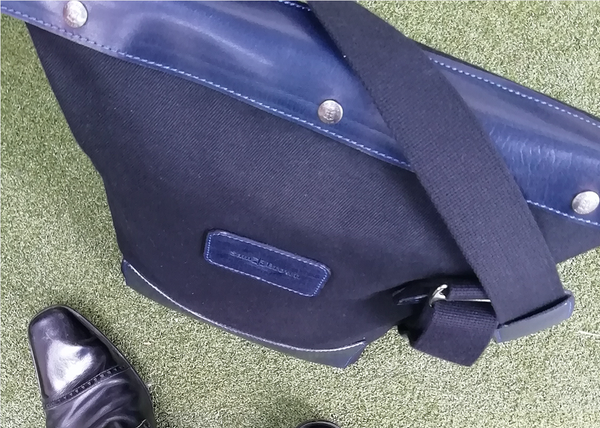
I had the pleasure of speaking to Toast about all things leather - the future of British leatherwork, the benefits of vegetable tanning and about some of the new designs we have produced for the TOAST collection. Read the full Article and see all the lovely images here. Here are some snippets from our conversation... Can you tell us about your East London workshop? I am in Clapton in Hackney, which is conveniently a ten-minute cycle from home. The studio is a shop, office and workshop all in one, which means that customers get to see us making our bags. It’s a lovely way of communicating the craft and skill that goes into each piece. Once a month we open up the workshop to customers for an evening class, where everyone gets to make their own custom leather bag. What tools are essential for a day at the studio? My favourite leather working tool is my strap cutter. It was such a joy when I discovered that I no longer had to cut lengths of leather with a blade and ruler. When we are in the midst of a production run we couldn’t do without our rivet machine. For our in-house AW20 production alone, we will have squished 5,096 rivets! Alongside your London-based workshop, you also work with small leather factories around the UK. Can you tell us a little about this relationship? We are proud to work with three UK manufacturers and have a very close working relationship with them. Working closely is integral to us and ensures that we can deliver the best possible product. Hannah is based in Margate and she and I have been working together since before she even had her own factory. She is an absolute joy to work with and has a wonderful attention to detail. She really understands my brand. Amy's factory is another really impressive one-woman operation based in rural Suffolk. She’s a proper problem-solver who always manages to get things done on time, and most importantly, executed beautifully. Jag's factory is around the corner from the studio here in East London, and is a local hub for the leather crafting industry, where we often end up whiling away time gossiping, using his machinery and chatting to his skillful team. Visiting any three of these factories is absolutely one of my favourite parts of my job, and spending time with my makers ensures I understand their working environment. During lockdown these relationships really came into their own as everyone pulled together and rose to the new challenges of how to meet delivery obligations. I can’t thank them enough. Can you tell us about your latest pieces for the TOAST collection? This season’s bags draw on shapes and styles that have been inspiring me since I began making bags with Sheridan & Minns over 18 years ago! I have always been drawn to minimal yet functional styles. The simplicity and practicality of the A20 Lock, Loop and Pop Bags have a really pleasing echo with the past. Meanwhile, the vibrant colour palette and the bag shapes are very much informed by recent travels to Marrakech, which have begun to frame the design path I’m moving forward with now. The rich colours of chocolate brown, petrol, plum are all achieved through vegetable dyes. Can you explain a little about this process and the benefits of natural tanning? Vegetable tanning is one of the oldest methods of tanning which has been around for centuries. The process of vegetable tanning uses natural tannins derived from barks, leaves, fruits, berries, plant roots and wood. There are around 300 different plant species worldwide that can be used for tanning. Unlike the more common practice of chrome tanning which uses machines and harmful, toxic chemicals, vegetable tanning relies on natural materials and human skill. This makes it kinder to the environment and offers huge improvements to the health of the tannery workers, and also means it is suitable for people with sensitive skin. Through minimal design and high quality materials, Kate Sheridan bags are built to last. How do your bags change over time? Natural, full grain vegetable tanned leather gets better with age. With exposure to the elements, the leather takes on its own unique life. Generally, vegetable tanned leather will darken over time and it develops its own unique patina that is inherent to the character of this wonderful leather. Because it is a natural product, all the hides have small differences and no one skin of leather is exactly the same, which is what makes this material so special. The surface changes depending on the mix of tannins and any finish on the surface of the leather combined with the different elements that it is exposed to. Essentially, the more you use your bag in all environments, the more stories it can tell and the more individual it becomes. What draws you to leather as a material? Leather is a very sustainable material, as all skins used are a by-product of the food industry. So the tanning industry plays a key role in the recovery of waste from the meat and dairy sector. Animal husbandry and animal welfare are at the heart of the Italian tanneries we work with. Ever since I began working with leather it became clear to me that the better the animals are looked after, the better the leather. Instead of these skins becoming waste products, they can be transformed into beautiful hides with myriad uses. A well made leather bag can last a lifetime and can be passed down through the generations. It is biodegradable and doesn’t leave a trace when it comes to the end of its time. Versatile, hardwearing and a joy to work with — vegetable tanned leather has a wonderful woody scent, which now also characterises the smell of the workshop and is often commented on by customers. How do you see the future of UK leather manufacture? The decline in skilled leather manufacturing and consequential closure of factories in the UK has sadly been a reality throughout the period of my career. I would love to see young people being actively encouraged to take part in leatherwork apprenticeships. So I’ve been working hard to integrate this as a practical element of my next year’s plans. I would love to see the business becoming a place that can help to inspire and teach, by incubating a new generation of leather crafters and designers. By doing this we can revive our rich tradition of skilled manufacturing in East London and one day, the rest of the UK. Photography by Chris Ower-Davis.
30 October 2020Sam Brown London
The desire for leather bags has been growing for the last couple of decades. Most major fashion brands have a leather bag for sale. But there are leather bags for £40 and similar-looking leather bags for £400. What’s the difference? Leather Quality The main difference between a quality bag and a cheap one is the leat

16 October 2020Gushlow & Cole
Autumn Winter 20/21: The Story Behind The Collection | written by Katrina Cole, Design and Creative Director at Gushlow & Cole.

15 October 2020KerrieALDO
Collaborating with a design museum and a heritage textiles factory to design and handcraft a contemporary raincoat has been a brilliant experience for me. The key inspiration of my design comes from V&A Dundee’s building itself: sleek design, clean lines, minimal but bold. As well

15 October 2020KerrieALDO
So you have already heard about waxed cotton but let me tell you a little bit more about this unique fabric that has been used to create The Dundee Raincoat. Halley Stevensons are the world’s leading manufacturers and innovators in waxed cotton and weatherproofed fabrics. All the dyeing a

15 October 2020KerrieALDO
I design and individually hand craft all of my coats so my approach to this collaboration between the V&A Dundee, Halley Stevensons and KerrieALDO was no different. With this said there were a few different aspects to the design process this time with an outline and goal for the project as

14 October 2020Sam Brown London
The world is changing. Consumers want different things today than they did 5 years ago. You can see it in the current trend towards more sustainable products and traditional techniques. We have a duty to look back, to find what worked when our planet and local economies were in a much better state.
Community News
Have an article, blog post, or news story related to British Made Clothing? Post it here and share it with the community.
Post a link