2 December 2024Oldfield Outfitters
Fair Isle History
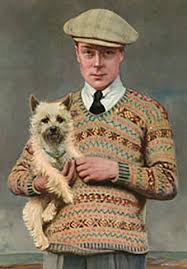
Fair Isle patterns are named after Fair Isle, a remote island located in the Shetland Archipelago to the north of Scotland. The design originated there in the early 19th century, initially used for creating multi-coloured patterns for fishermen’s caps and sweaters. The technique involves the use of several colours in intricate, repeated motifs, a style that has since become iconic in knitwear. Fair Isle, with its harsh winters, became the birthplace of Fair Isle knitwear. The island’s residents needed warm, durable clothing to withstand the tough conditions, and this tradition was kept alive by the wives of local sailors, who crafted the garments by hand. For many years, this artisan craft remained a well-kept secret of the island. That is, until 1921, when Edward, Prince of Wales (later King Edward VIII and Duke of Windsor after his abdication), publicly wore a brightly coloured Fair Isle waistcoat, bringing the design to global attention. Typical Fair Isle knits follow an 'OXO' pattern with local knitters also incorporating motifs inspired by their surroundings, such as ram's horn, flora, fauna and marine life. Typically it featured two colours per row. Traditional Fair Isle colours were bright and vibrant, even in the 1900s. These colours were originally achieved through natural dying methods, using imported indigo to make the yarns blue, madder root mixed with native lichen to produce red, and yellow dye from bistort, a flower that also grows on the island. Fair Isle garments are knitted from hand-spun yarn created from Shetland wool, a fibre taken from the fleece of Shetland sheep. Today, the term