British Made Women's Blazers Jackets Sportscoats Made in England — Voted by the Community
 HeritageNauticalWorkwearGreat Yarmouth, Norfolk · est. 1898 · Premium
Yarmouth Oilskins is a British brand with over 120 years of heritage, designing and manufacturing quality workwear in Great Yarmouth.
 BridalCasualClassicLondon · est. 2011 · Premium
Clothing made in England attempting a variety of solutions towards less extractive fashion systems. Est 2011.
 BridalClassicContemporarySavile Row, UK · est. 1865 · Luxury
Dege & Skinner, bespoke tailor and shirt-maker established in 1865 and still a family-owned business. Located at Number 10 Savile Row, as well as hosting various domestic and overseas trunk shows to cater for high demand.
 Yorkshire · est. 1929 · Luxury
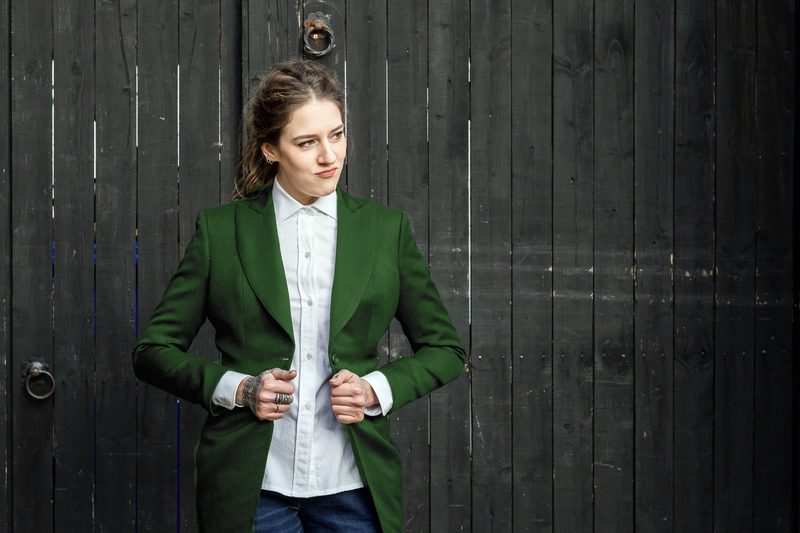
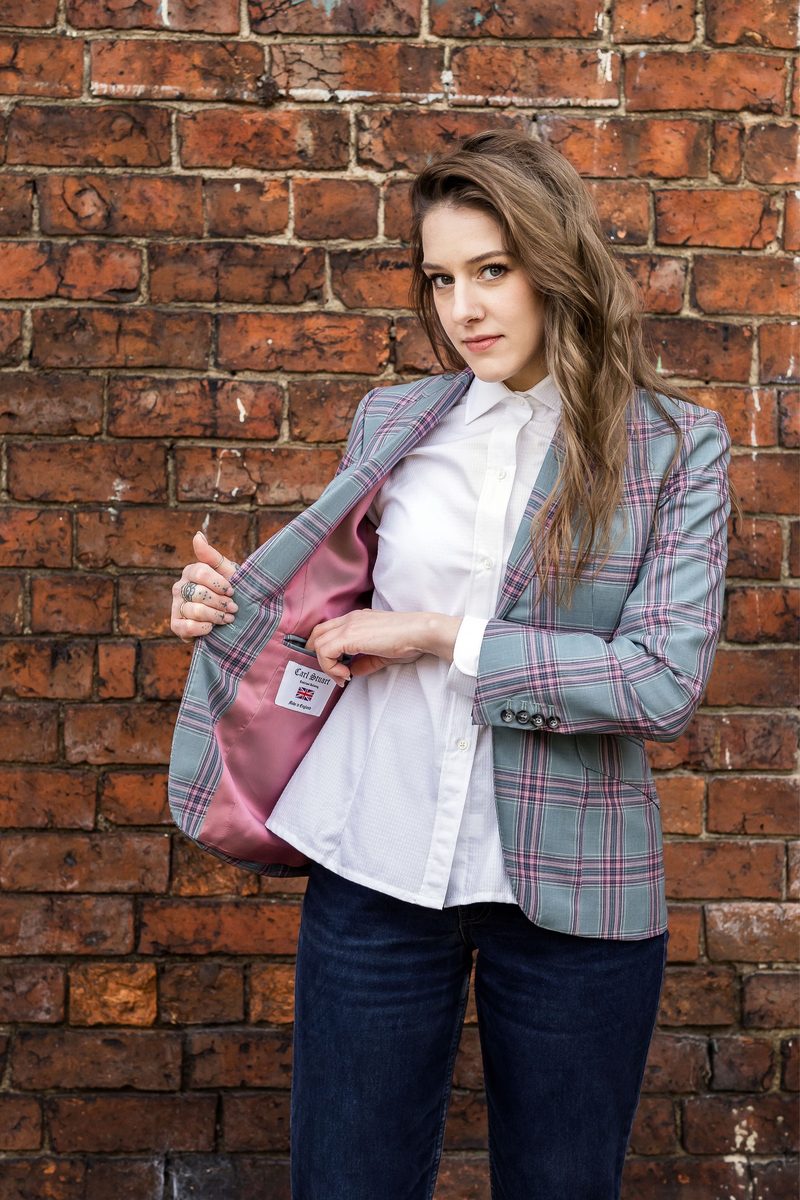
Carl Stuart Tailors specialises in bespoke and made to measure suiting, crafted in their West Yorkshire factory since 1929.
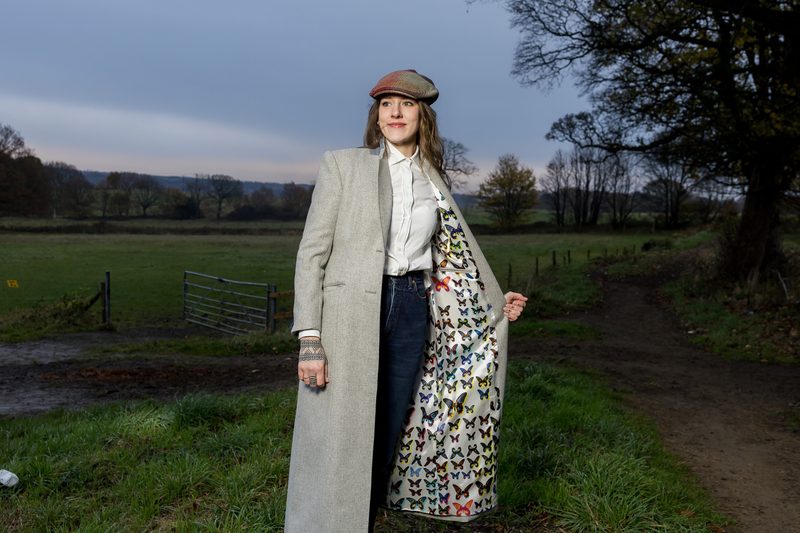
 CountryEquestrianFormalEngland · est. 2008 · Luxury
Maquien is a British tailoring brand that takes pride in textile tradition and craftsmanship. Born from the riverbanks of Scotland, our fine cloths are sourced solely in Britain, and garments designed and handmade in England.
 Reading, Berkshire · est. 2022 · Premium
Mystic Moods is an independent British fashion brand creating seasonless womenswear, handbags and jewellery in limited runs, with UK-made pieces and selected made-to-order designs focused on longevity.
 ClassicContemporaryFormalEngland · est. 2019 · Luxury
Moda de la Maria is a British independent fashion brand founded in 2019, creating timeless womenswear with a focus on sustainability and craftsmanship.
 ContemporaryCountryEquestrianEngland · est. 2011 · Luxury
Julian Road is an independent British clothing brand founded in 2011, crafting contemporary women's clothing with a focus on quality and timeless style.
 ClassicCountryVintageEngland · est. 1995 · Luxury
Moloh is a luxury British fashion brand known for its distinctly British style and playful self-expression.
 ContemporaryFormalEngland · est. 2023 · Luxury
Kipper is a women's tailoring brand founded in 2023 by stylist Sarah Corbett-Winder, aimed at empowering women through playful and colorful suits that blend classic tailoring with a whimsical aesthetic.
- Libby LondonFormalTimelessEngland · est. 2011 · Premium
Libby London offers honest, transparent fashion and office appropriate workwear for modern career women. They combine British design with manufacturing in North London, creating dresses and separates intended to last.
This independent directory lists only UK-made clothing brands.
Why choose British-made?
- Support British manufacturing and preserve traditional craftsmanship
- Invest in quality clothing built to last with premium materials
- Choose ethical, transparent supply chains you can trust
- Reduce your carbon footprint by buying locally made products
- Discover authentic British design and heritage brands
A Brief History of British Made Blazers & Sport Coats
Structured jackets and blazers evolved from traditional tailoring practices in Britain. By the nineteenth century, tailored jackets had become part of formal and semi-formal dress, with garment cut and finishing techniques developed in British tailoring centres. Sportscoats and unstructured jackets emerged as variations on tailored garments, using similar construction methods but with design adjustments for comfort and ease of movement. The processes used to make tailored outer garments — patterning, cutting, seam finishing, and pressing — are consistent with broader British tailoring and jacket manufacture. This context reflects the continuity of jacket production methods in the UK rather than defining a separate garment lineage.