Menswear
Ethical British-Made Men's Wallets and Billfolds — Voted by the Community
This directory lists 5 brands that make ethical men's wallets in the UK. Prices run from affordable to luxury. Ranked by community upvotes.

CARV
CARV creates timeless, minimalist leather handbags and accessories handcrafted in the UK using sustainable vegetable-tanned leather and traditional techniques.
- Contemporary
- Ethical
- Slow Fashion
Factory shop- Contemporary
- Ethical
- Slow Fashion

J Boult Designs
J Boult Designs blends craftsmanship, sustainability and heritage, creating handmade pieces inspired by the Great British countryside
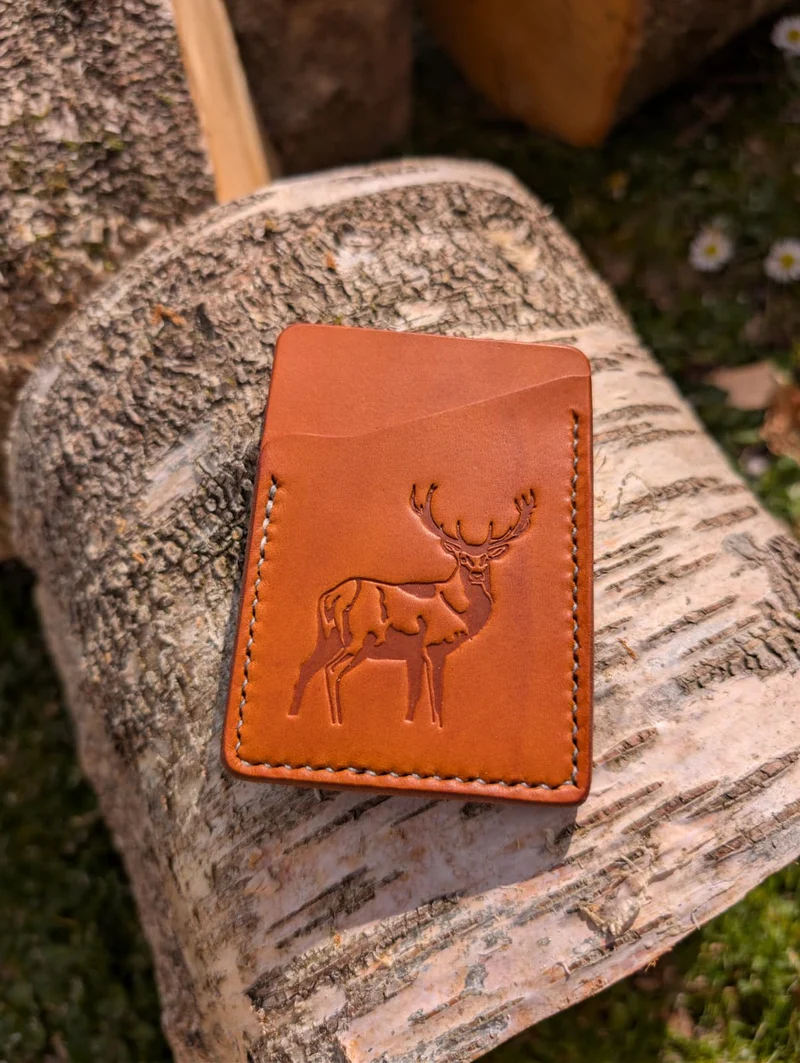
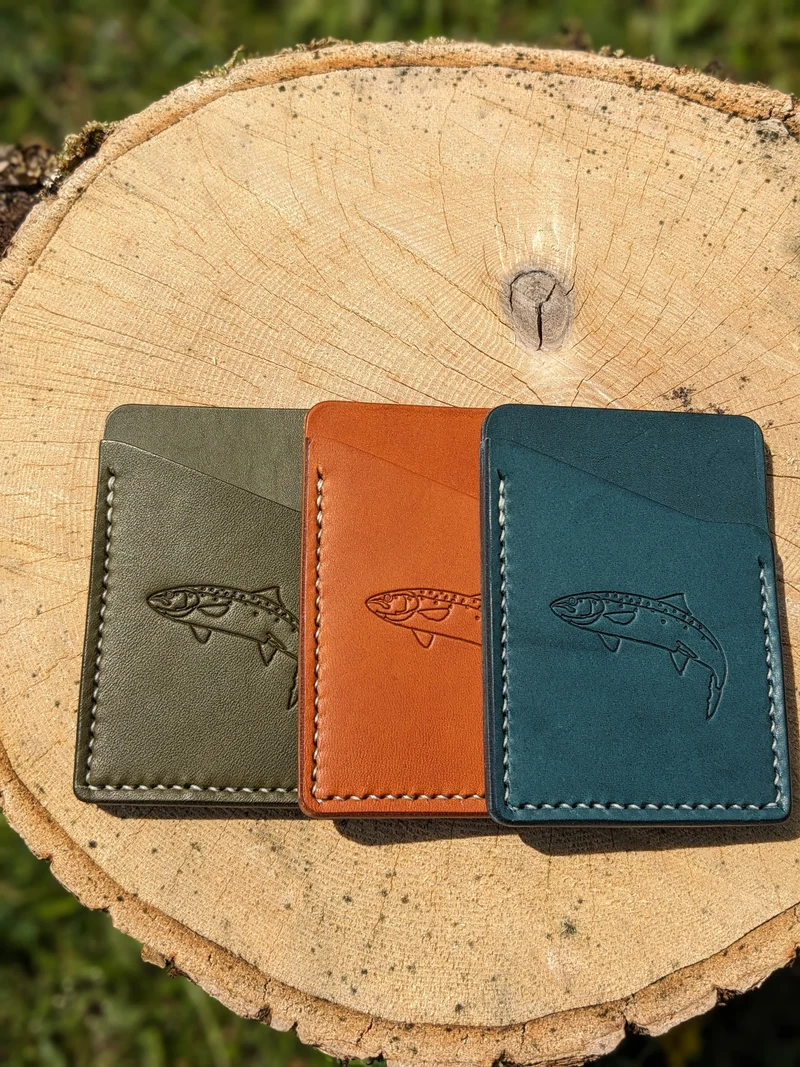
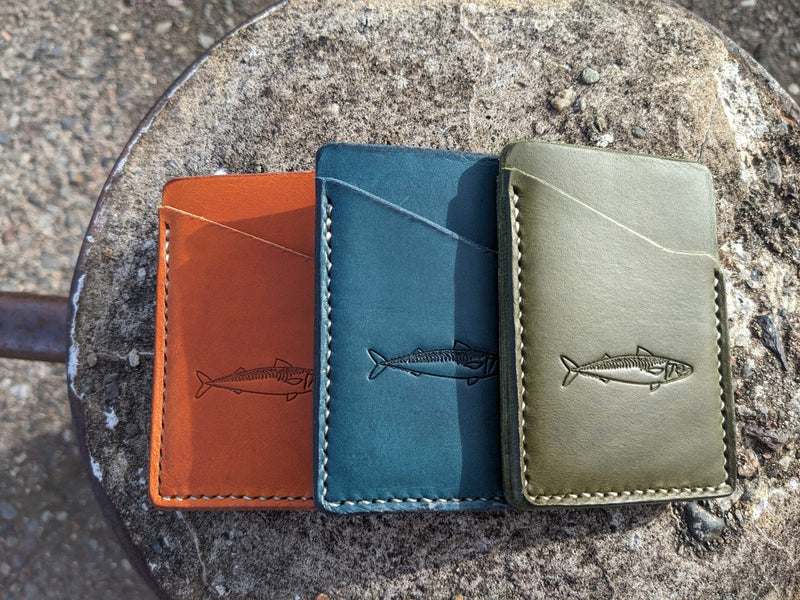
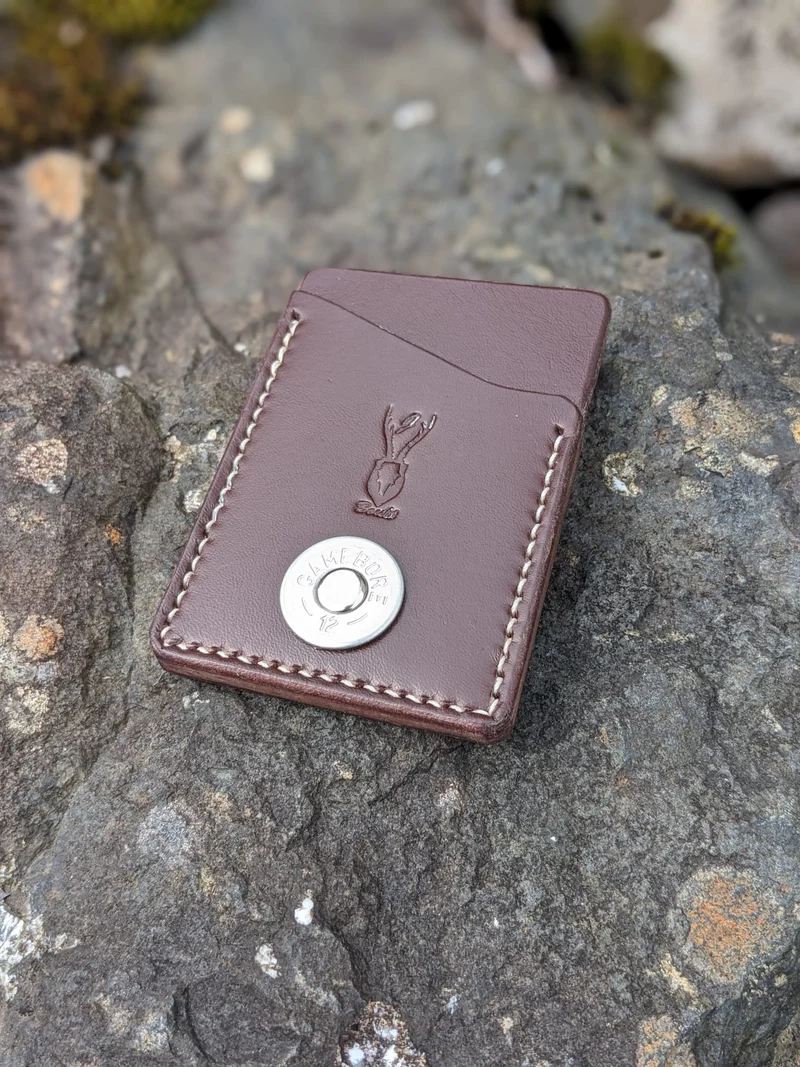
 See these brands on the map4 places from 3 brands, 2 of them shops you can visit.Open the map
The Leather Satchel Co.
A brand that specialises in handcrafted, bespoke leather satchels, bags, and accessories. Founded in 1966, their products are made using traditional techniques and high-quality materials.
- Bridal
- Classic
- Contemporary
- Bridal
- Classic
- Contemporary

Noble and Wylie
Noble and Wylie produce handmade, sustainable footwear in Sheffield, crafted for ethical consumers seeking long-lasting, repairable shoes and accessories.
- Contemporary
- Ethical
Factory shop- Contemporary
- Ethical

Billy Tannery
Billy Tannery, founded in 2016, is the first British goat leather company with a microtannery in the Midlands that transforms wasted UK goatskins into vegetable-tanned leather goods handmade in the UK.
- Contemporary
- Ethical
- Contemporary
- Ethical
This independent directory lists UK-made clothing brands, and marks those that make only some items here.Why choose British-made?
A Brief History of British Made Wallets
The word wallet first meant a bag or knapsack carried by travellers. Its use for a flat case for paper money is recorded from 1834, first in American English. In Britain, wallets grew out of the wider leather trade. London's Bermondsey was a major tanning district for centuries, and Leeds was one of England's leading tanning towns in the nineteenth century. Walsall, in the West Midlands, became the country's saddlery centre. Its leather trade grew after the railway arrived in 1847, and by around 1900 the town was home to nearly a third of Britain's saddlers and harness makers. Some Walsall firms had been making light leather goods such as travelling bags, hat boxes and wallets since the 1870s. As motor vehicles replaced horses in the early twentieth century, they moved more of their work to these goods and gradually dropped harness and saddlery. The town's surviving firms now concentrate on high-quality leather goods. British-made wallets today draw on this long history of saddlery and leatherwork.