Menswear
Slow Fashion British-Made Men's Jumpers — Voted by the Community
This directory lists 5 brands that make slow fashion men's jumpers in the UK. They are most often based in London. Prices run from premium to luxury. Ranked by community upvotes.

Carnwear
SupporterCarnwear produce hand crafted and made to order knitwear, designed and made in their West Cornwall studio. Their collection features transeasonal knitted garments for men & women as well as a selection of hats, scarves and hand warmers.
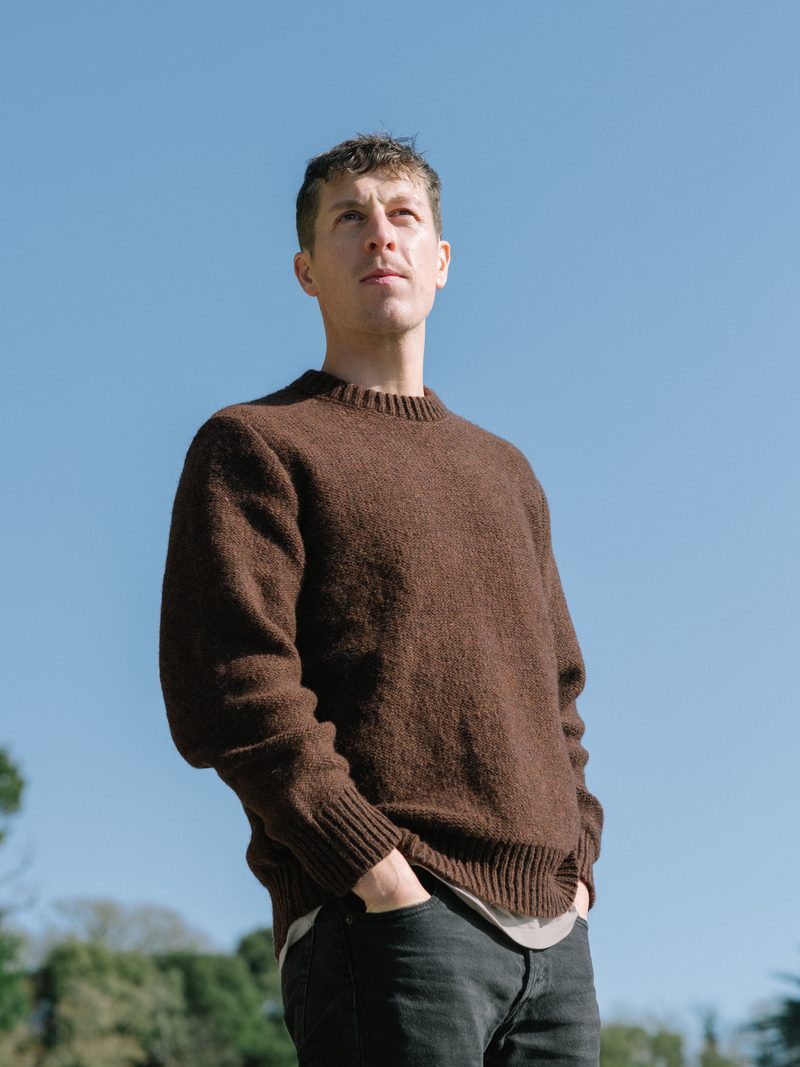
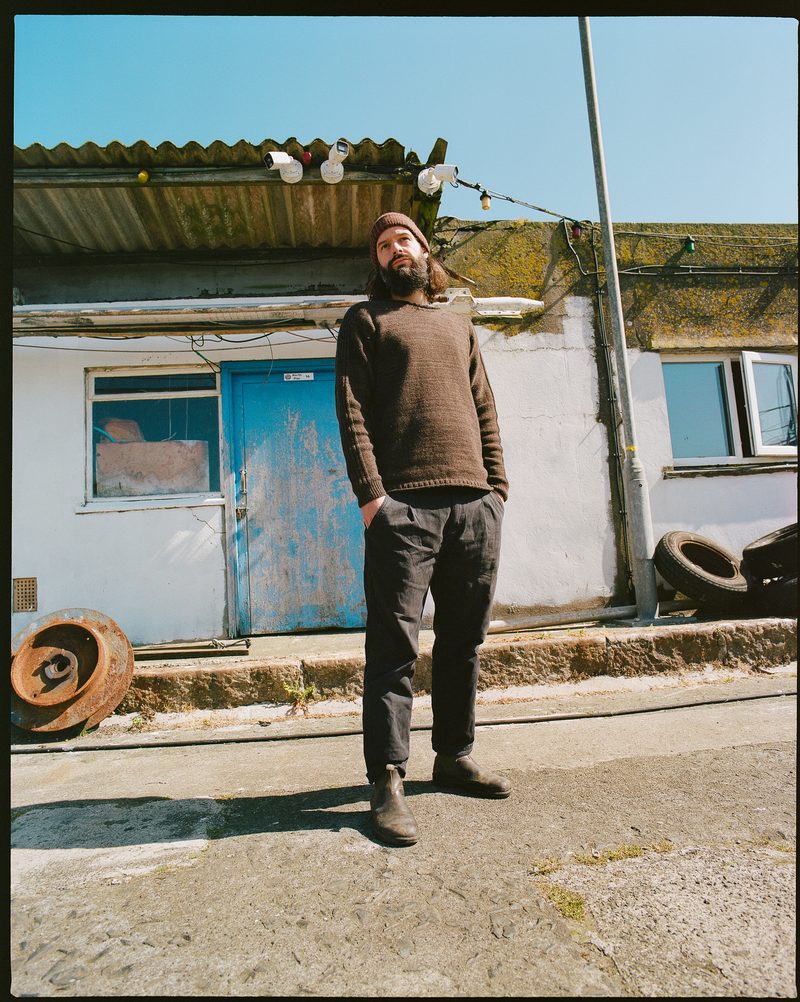
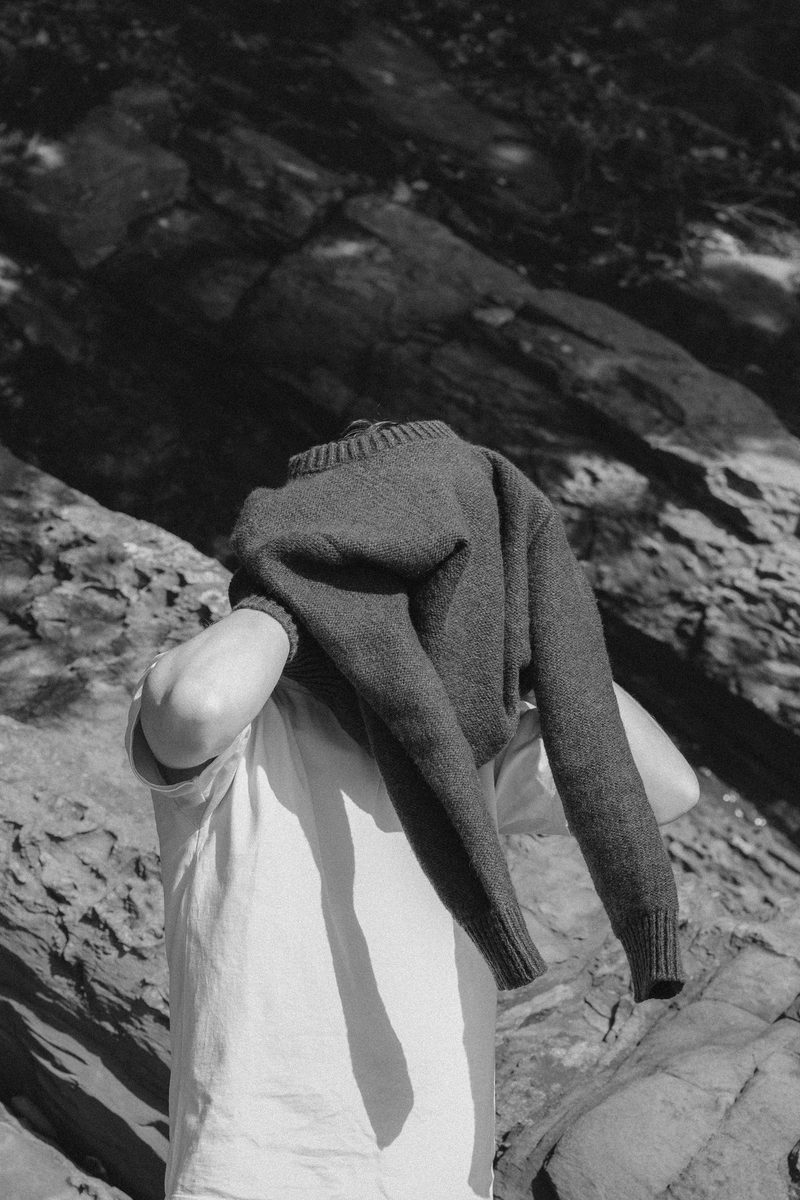
Phoebe English
Clothing made in England attempting a variety of solutions towards less extractive fashion systems. Est 2011.
- Bridal
- Casual
- Classic
Shop to visit- Bridal
- Casual
- Classic
 See these brands on the map7 places from 4 brands, 3 of them shops you can visit.Open the map
Fortis
Fortis is a British outdoor clothing manufacturer founded in 1997, evolving from farm diversification to producing durable, sustainable garments with military-grade fabrics.
- Casual
- Classic
- Country
Factory shop- Casual
- Classic
- Country

ADKN
Founded in 2013 after the Rana Plaza disaster, ADKN is an award-winning English fashion brand dedicated to ethical and sustainable practices. In 2015, it pioneered using recycled plastic waste for clothing.
- Contemporary
- Ethical
- Slow Fashion
- Contemporary
- Ethical
- Slow Fashion

&Daughter
&Daughter is a British independent clothing brand rooted in family heritage and craftsmanship. Their knitwear celebrates legacy, quality, and sustainability, with pieces made to last using traditional methods and natural yarns.
- Classic
- Contemporary
- Heritage
- Classic
- Contemporary
- Heritage
Shops run by brands that make slow fashion men's jumpers
3 of the 5 brands that make slow fashion men's jumpers have a shop you can visit in Axminster, London and Penzance.
This independent directory lists UK-made clothing brands, and marks those that make only some items here.Why choose British-made?
A Brief History of British Made Jumpers
The jumper, a knitted garment pulled on over the head, grew out of Britain's long history of knitting. Knitted woollen caps were being made by the fifteenth century, and in 1589 William Lee, a curate at Calverton in Nottinghamshire, invented the stocking frame, the first knitting machine. Framework knitting became the speciality of the East Midlands, and by the nineteenth century Leicester and Nottingham were its largest centres. In Scotland, a merchant brought stocking frames to Hawick in 1771, and the Borders grew into a centre for hosiery and later knitwear, including cashmere. Coastal and island traditions added their own styles. The guernsey, or gansey, a close-knit fisherman's jumper named after the Channel Island, was knitted and worn in fishing communities around the British coast. Fair Isle colourwork from Shetland became fashionable after the Prince of Wales wore Fair Isle jumpers in public in 1921. By the twentieth century the jumper was a familiar part of British dress, and today's British-made jumpers continue these regional knitting traditions.