
Categories
Details
- Country
- England
- Founded
- 2017
- Price range
- Premium (££)
- Blog
- Read the blog
Showcase
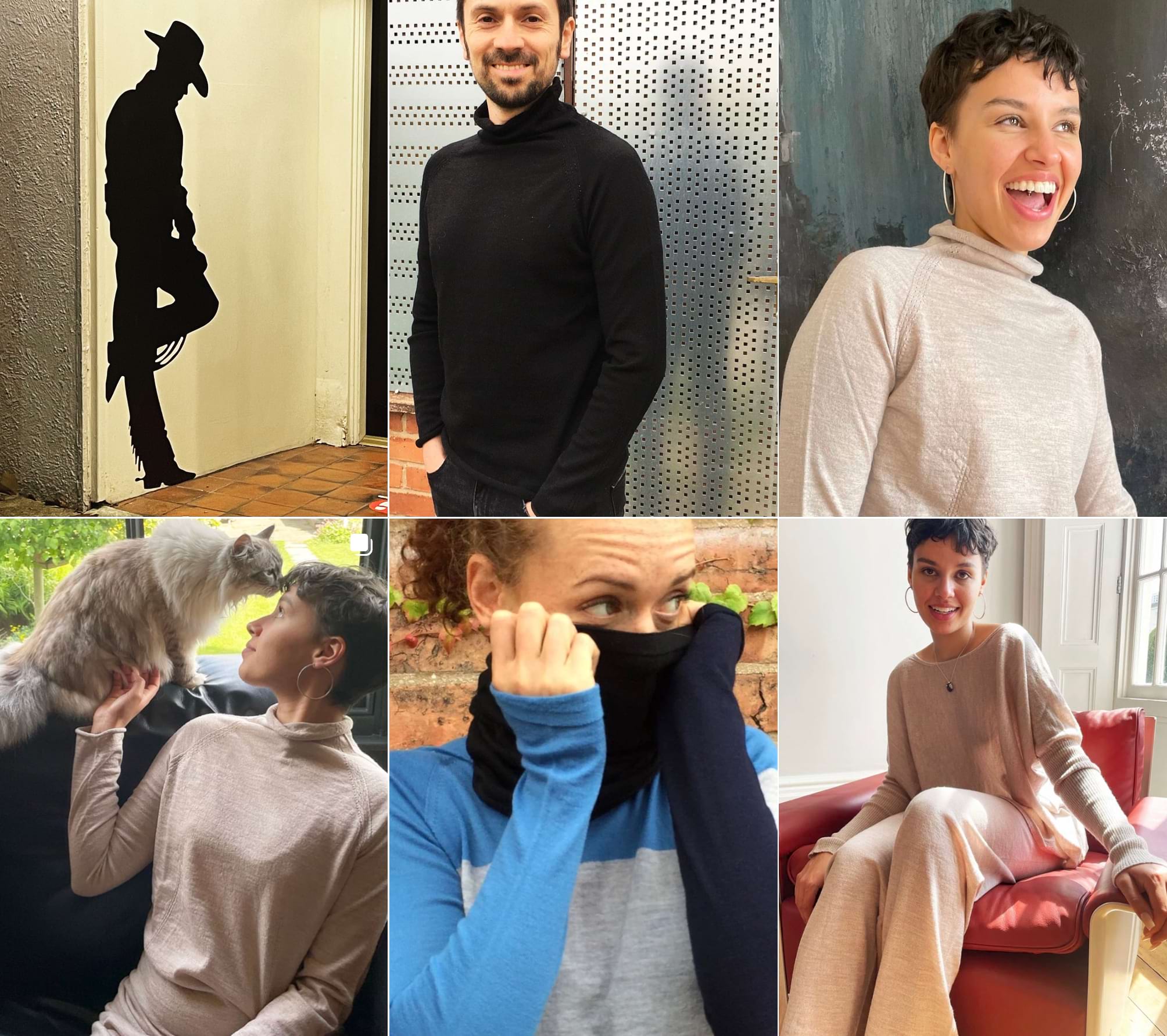

Foxology Beginnings: Where it Started and Where we're Going
Foxology is nearly 3 years old - the founding message just a whisper, but it is being heard - the beginning of a huge fundamental shift in the way we create, wear and reuse clothing.
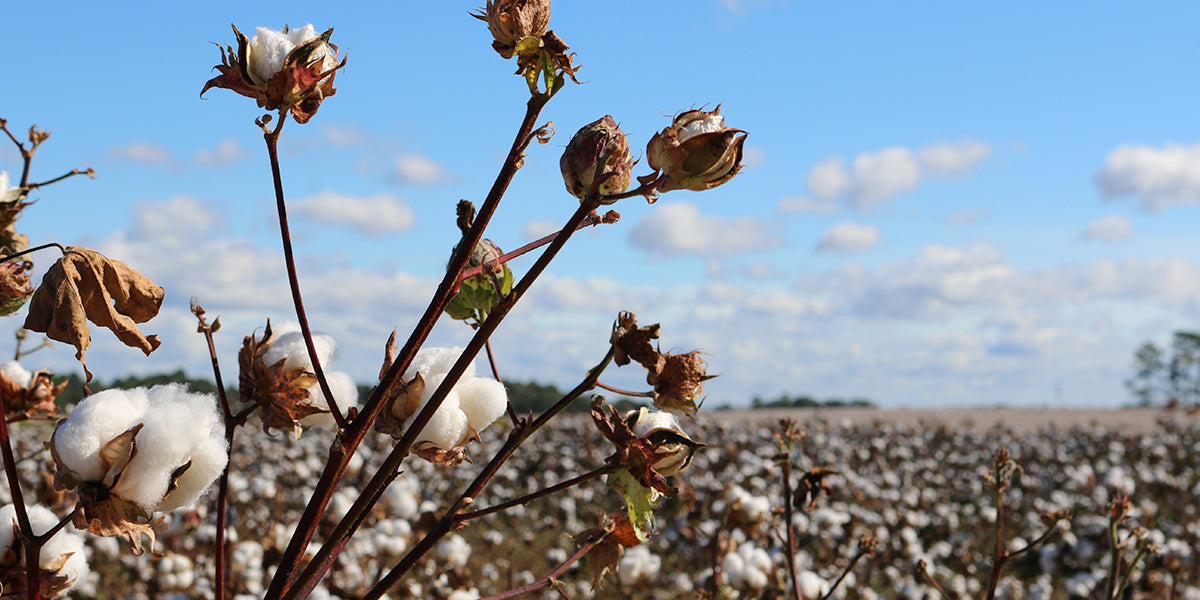
Egyptian Organic Cotton
Searching for the best organic and fair trade cotton, led me back to SEKEM in Egypt where I visited several times 6 years ago, when developing cotton products for an organic skincare company. There I rediscovered this fantastic organisation, built on the theories and practices of Rudolf Steiner, by the extraordinary Dr Abraham Abouleish and his family. Big into art and music, my visits to Sekem often included musical interludes and was once invited to sing the solo alto in Rossini's 'Petite Messe Solonelle' at the Sekem auditorium in Cairo, which was an incredible and memorable event! Back to the cotton - Sekem grows Extra Long Staple cotton, the
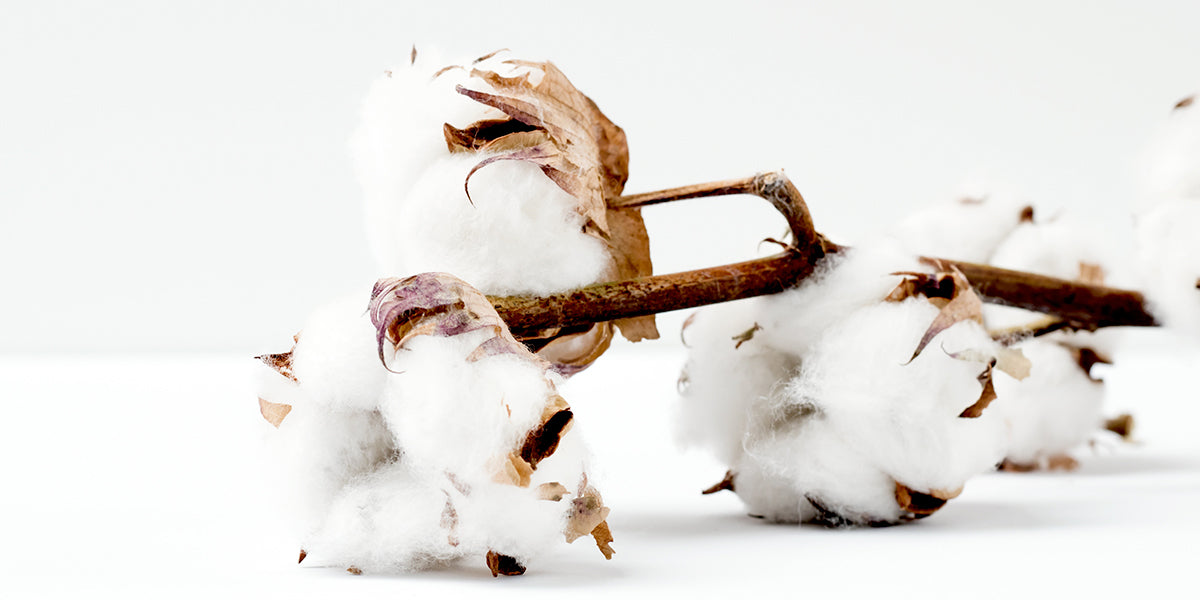
Cotton: Thirsty or not?
It’s incredible and a relief seeing how fast the world is waking up to the seriousness of climate change in the last few years, with, amazingly (or not), posts on Instagram tagged #sustainablefashion now topping out at 2.8 million! Katherine Hamnett first woke me up to the impact of fashion on the environment nearly 2 decades ago and I have since worked with Fairtrade and Organic cotton farmers and manufacturers in India and Egypt, producing collections of knitwear and homewares, including the organic cotton spa products for the British company Lush. However, cotton is one of those fibres that has recently been getting a lot of bad press for its apparent huge water consumption. But is this actually true? The cotton plant is a xerophyte, meaning it can grow under very dry conditions, hence being found in countries with hot, dry climates such as India, Egypt and Africa. As with most plants, it needs water at certain points in its growing cycle and especially for producing higher yields – so farmers use artificial water irrigation. More recently, cotton producers have been researching and using new technologies, leading to a huge increase in the efficiency of water irrigation, producing significantly more cotton, using less water. Brands are also getting their acts together on this issue with the likes of Spanish fashion company Mango, who have realised production and finishing processes accounted for 90 percent of water consumption of their products being manufactured. They have introduced new technologies in the production of the SS19 season jeans, cutting down water use by up to 10 litres per garment. In collaboration with the company Jeanologia, the consumption of water, energy and chemicals for these jeans has now been reduced through the introduction of ECOWASH technology. Being mindful of this environmental issue and doing my own research, I have decided that organic cotton is still better than using oil based fabrics and have been back working with organic and Fairtrade projects in India and Egypt. I am very excited to be launching new styles and products to Foxology customers this summer, in organic fair traded cotton and knitted in UK. The first pieces to be introduced, are using fibres grown by Sekem Foundation in Egypt, spun into yarns by Italian spinners Filmar, as part of their Cotton For Life project. This is a very special and exciting project, of which I am very proud that Foxology is fortunate to have the opportunity to support. I will be visiting Sekem again and the spinners this summer, to bring you back more information and photos!! So, watch this space!
Is this your brand?
Claim your profile, and your ranking improves. Learn more