Womenswear
Equestrian British-Made Women's Coats — Voted by the Community
This directory lists 7 brands that make equestrian women's coats in the UK. Prices run from affordable to luxury. Ranked by community upvotes.
Myles Anthony
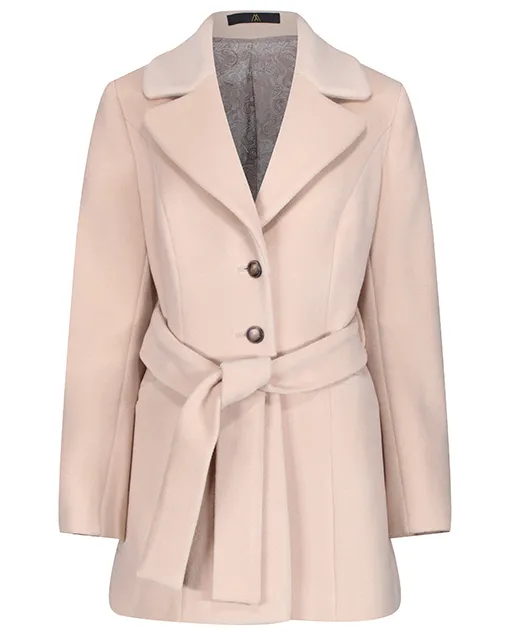
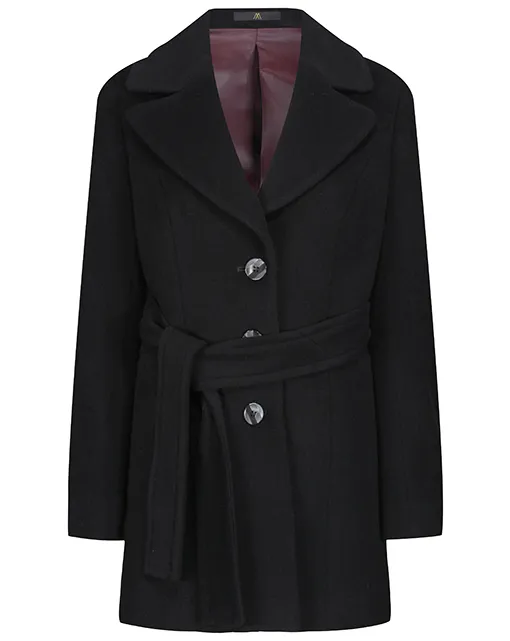
Myles Anthony bespoke tailoring offers bespoke, made-to-measure and ready-to-wear clothing for women. We are able to produce most garments (including bridal gowns), but specialise in classic tailored suits, coats and jackets.

Dege & Skinner
Dege & Skinner, bespoke tailor and shirt-maker established in 1865 and still a family-owned business. Located at Number 10 Savile Row, as well as hosting various domestic and overseas trunk shows to cater for high demand.
- Bridal
- Classic
- Contemporary
Shop to visit- Bridal
- Classic
- Contemporary
 See these brands on the map10 places from 7 brands, 4 of them shops you can visit.Open the map
Oxford Blue Ltd
Oxford Blue is a leading British leisure brand since 1968, specialising in high-quality lifestyle and country clothing with innovative Classical Wax designs.
- Casual
- Classic
- Country
- Casual
- Classic
- Country

Julian Road
Julian Road is an independent British clothing brand founded in 2011, crafting contemporary women's clothing with a focus on quality and timeless style.
- Contemporary
- Country
- Equestrian
- Contemporary
- Country
- Equestrian
Frimble
Frimble is a British brand specialising in luxury ladies’ tweed, blending traditional craftsmanship with modern design.
- Country
- Equestrian
Shop to visit- Country
- Equestrian

Maquien
Maquien is a British tailoring brand that takes pride in textile tradition and craftsmanship. Born from the riverbanks of Scotland, our fine cloths are sourced solely in Britain, and garments designed and handmade in England.
- Country
- Equestrian
- Formal
- Country
- Equestrian
- Formal
Holland Cooper
Holland Cooper is a luxury British fashion brand known for timeless style, expert craftsmanship, and contemporary design.
- Casual
- Contemporary
- Country
Shop to visit- Casual
- Contemporary
- Country
Shops run by brands that make equestrian women's coats
3 of the 7 brands that make equestrian women's coats have a shop you can visit in Bedale, Bicester, Cheltenham and 1 other town.
Bedale
Bicester
Cheltenham
This independent directory lists UK-made clothing brands, and marks those that make only some items here.Why choose British-made?
A Brief History of British Made Coats
Coats developed to give warmth and protection from the weather. In Britain, coat making grew alongside tailoring and the textile trades. Eighteenth-century women's riding habits were already adapted from the man's coat, and in the 1870s tailors such as John Redfern began making practical tailored clothes for active women, opening houses in London and Paris in 1881. British inventors shaped waterproof outerwear. In 1823 the Scottish chemist Charles Macintosh patented a waterproof fabric made by bonding layers of cloth with dissolved rubber, and the mackintosh raincoat is named after him. Thomas Burberry developed gabardine, a tightly woven, weather-resistant fabric, in 1879 and patented it in 1888. Unlike rubberised cloth, it let air through, and it was widely used in the First World War for what became known as the trench coat. Heavier woollens and tweeds from regional mills were also used for tailored and casual coats. Women's coats in the UK are still made through pattern drafting, cutting woven cloth, finishing seams for outer layers and pressing for structure.