Womenswear
Classic British-Made Women's Blazers & Sport Coats — Voted by the Community
This directory lists 6 brands that make classic women's blazers & sport coats in the UK. They are most often based in London. Prices run from premium to luxury. Ranked by community upvotes.
Carl Stuart Tailors
Carl Stuart Tailors specialises in bespoke and made to measure suiting, crafted in their West Yorkshire factory since 1929.
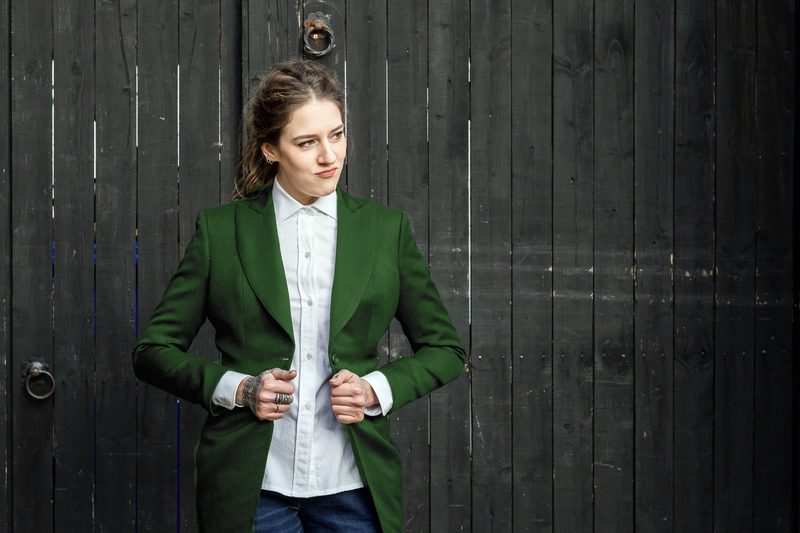
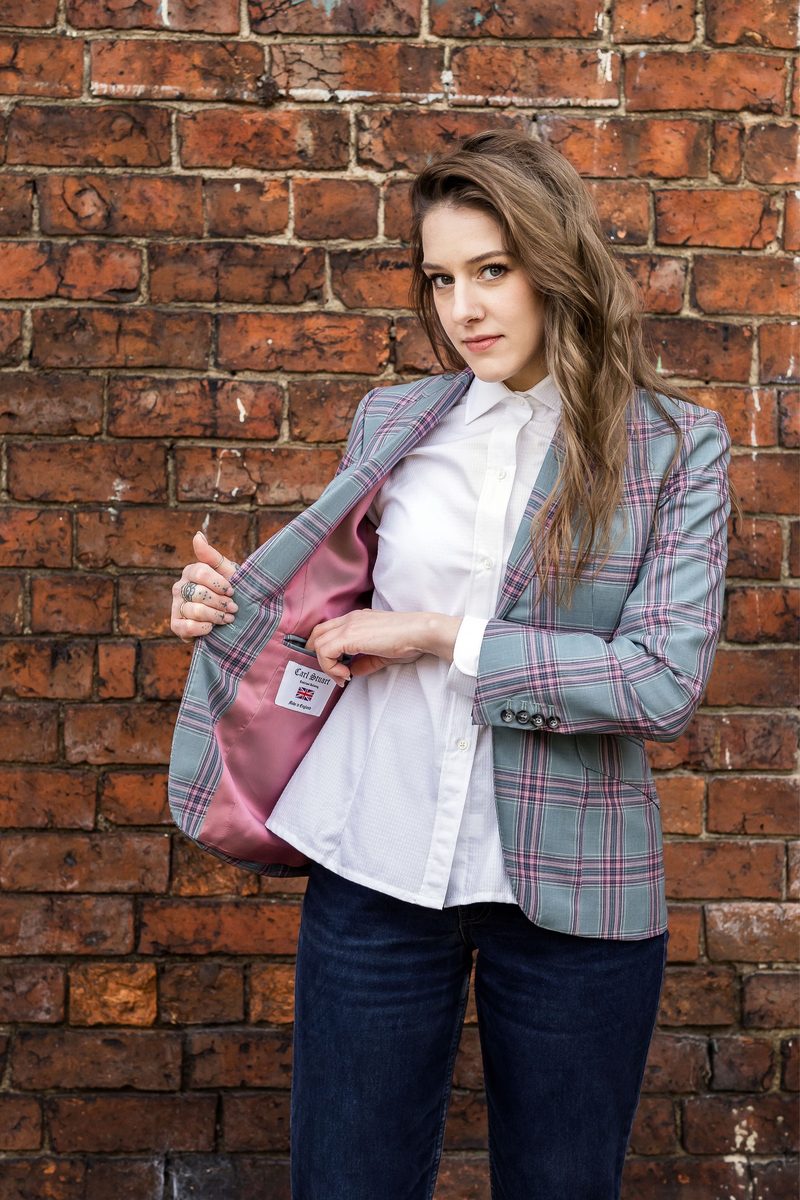
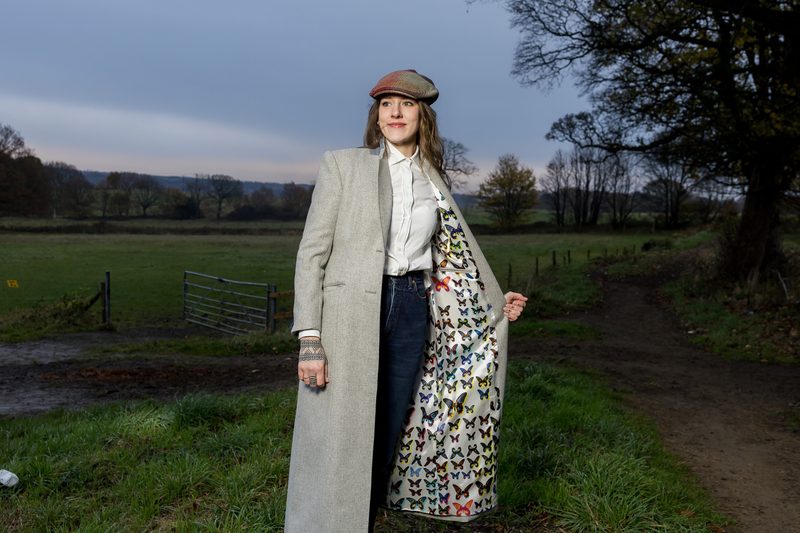

Moda de la Maria
Moda de la Maria is a British independent fashion brand founded in 2019, creating timeless womenswear with a focus on sustainability and craftsmanship.
- Classic
- Contemporary
- Formal
- Classic
- Contemporary
- Formal
 See these brands on the map10 places from 6 brands, 5 of them shops you can visit.Open the map
Ednerat
Ednerat designs and makes women's coats, clothing and accessories. Everything we offer is made by hand in the British Isles. We champion our makers and use British textiles and materials in everything we can.
- Bridal
- Casual
- Classic
Shop to visit- Bridal
- Casual
- Classic
Phoebe English
Clothing made in England attempting a variety of solutions towards less extractive fashion systems. Est 2011.
- Bridal
- Casual
- Classic
Shop to visit- Bridal
- Casual
- Classic

Dege & Skinner
Dege & Skinner, bespoke tailor and shirt-maker established in 1865 and still a family-owned business. Located at Number 10 Savile Row, as well as hosting various domestic and overseas trunk shows to cater for high demand.
- Bridal
- Classic
- Contemporary
Shop to visit- Bridal
- Classic
- Contemporary

Moloh
Moloh is a luxury British fashion brand known for its distinctly British style and playful self-expression.
- Classic
- Country
- Vintage
Shop to visit- Classic
- Country
- Vintage
Shops run by brands that make classic women's blazers & sport coats
5 of the 6 brands that make classic women's blazers & sport coats have a shop you can visit: 2 in London, others in Abergavenny, Ossett and Tetbury.
Abergavenny
Ossett
Carl Stuart Tailorsfactory shop
Tetbury
This independent directory lists UK-made clothing brands, and marks those that make only some items here.Why choose British-made?
A Brief History of British Made Blazers & Sport Coats
The blazer takes its name from a British rowing club. Members of the Lady Margaret Boat Club of St John's College, Cambridge, founded in 1825, wore bright red flannel jackets that became known as blazers. The name later spread to similar club and sporting jackets. Tailored jackets for women also have a long British history. Eighteenth-century women's riding habits were adapted from the man's coat. In the 1870s, John Redfern, who had started out as a tailor in Cowes on the Isle of Wight, made his name with practical tailored clothes for women who rode, played tennis and went yachting. In 1881 he opened tailoring houses in London and Paris. Sports coats and softer, unstructured jackets developed as variations on tailored garments, made with the same methods but cut for comfort and ease of movement. Patterning, cutting, seam finishing and pressing remain the core of jacket making in the UK, whether the finished piece is a structured blazer or a relaxed sports coat.