Menswear
Affordable British-Made Men's Gilets, Vests and Body Warmers — Voted by the Community
This directory lists 3 affordable brands that make men's gilets in the UK. Ranked by community upvotes.

Campbell's of Beauly
Campbell's of Beauly, established in 1858, is a Scottish family-run country tailor and outfitter known for bespoke tweeds, traditional clothing, and fishing equipment reflecting Highland heritage.
- Country
- Heritage
- Highland
Shop to visit- Country
- Heritage
- Highland
Farfield Clothing
Farfield Clothing has been manufacturing British-made ladies, mans and children's jackets, gilets, hats and fleeces in Sedbergh since 1985. Sedbergh is in Cumbria and also the YDNP. Using fabric made to our own design in Yorkshire
- Casual
- Heritage
Factory shop- Casual
- Heritage
 See these brands on the map6 places from 3 brands, 3 of them shops you can visit.Open the map
Oxford Blue Ltd
Oxford Blue is a leading British leisure brand since 1968, specialising in high-quality lifestyle and country clothing with innovative Classical Wax designs.
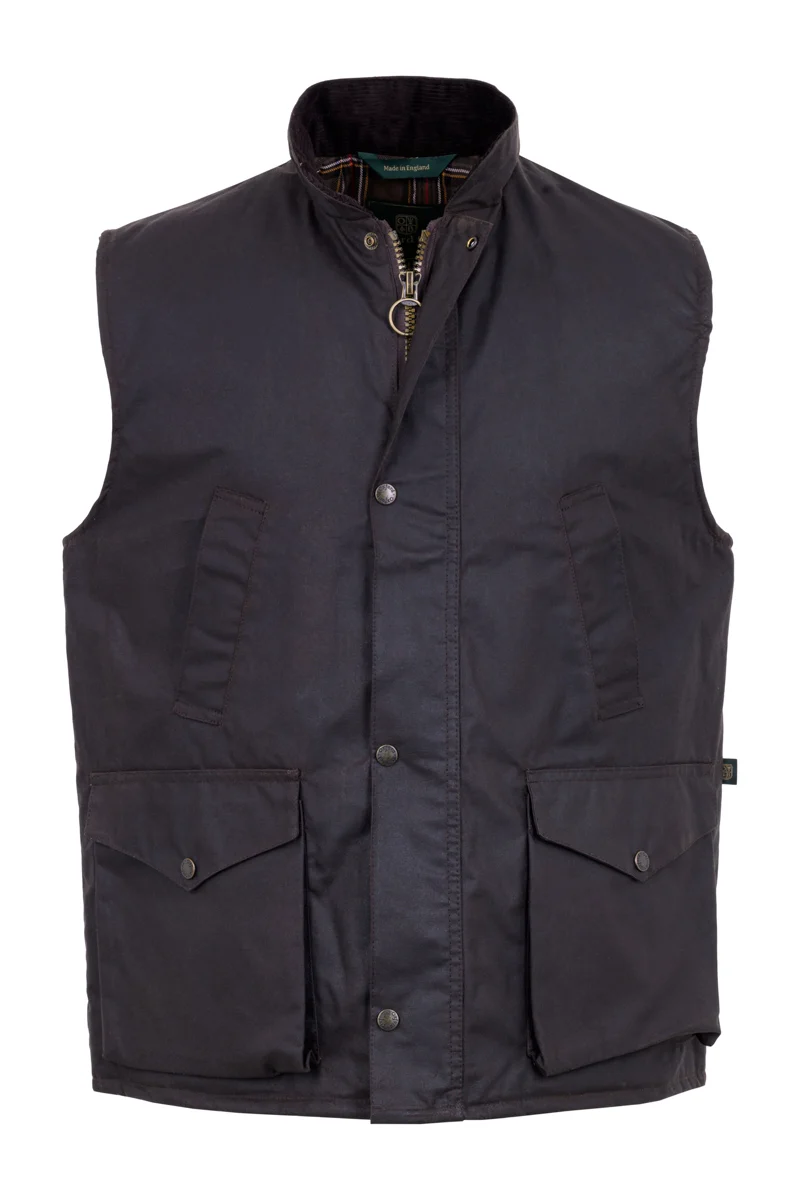
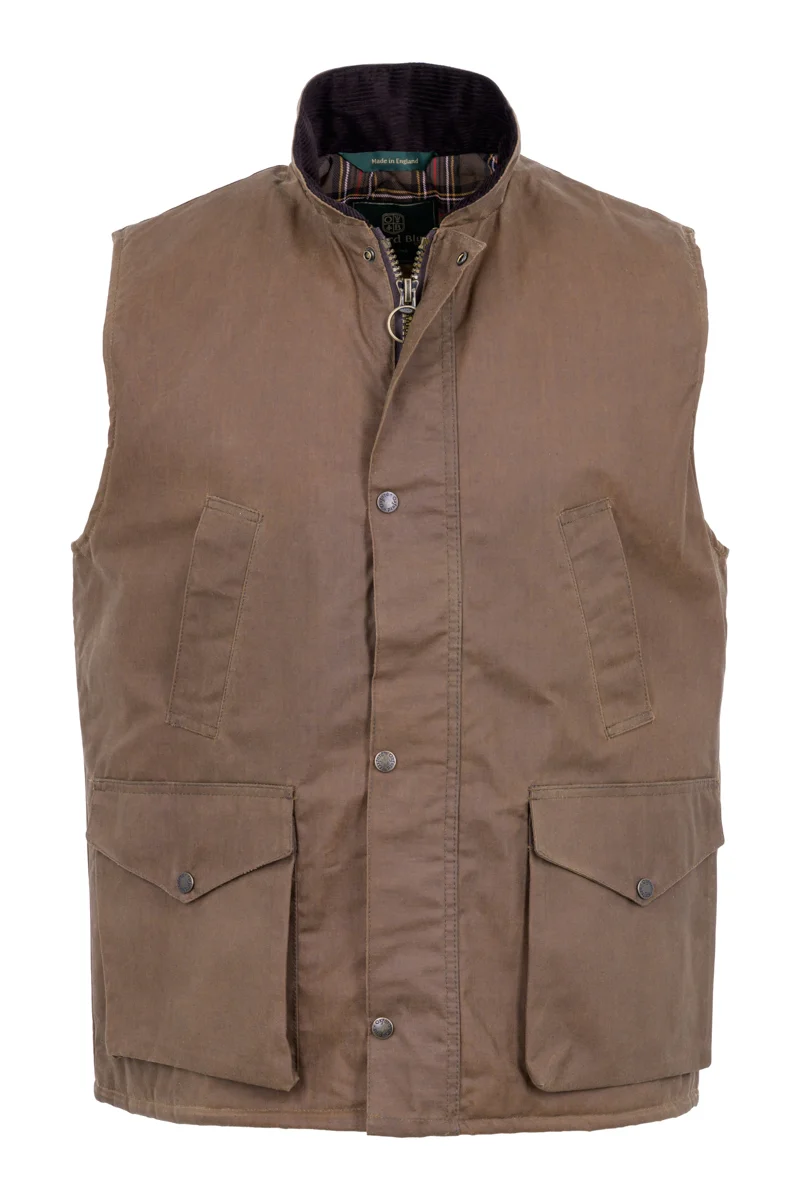
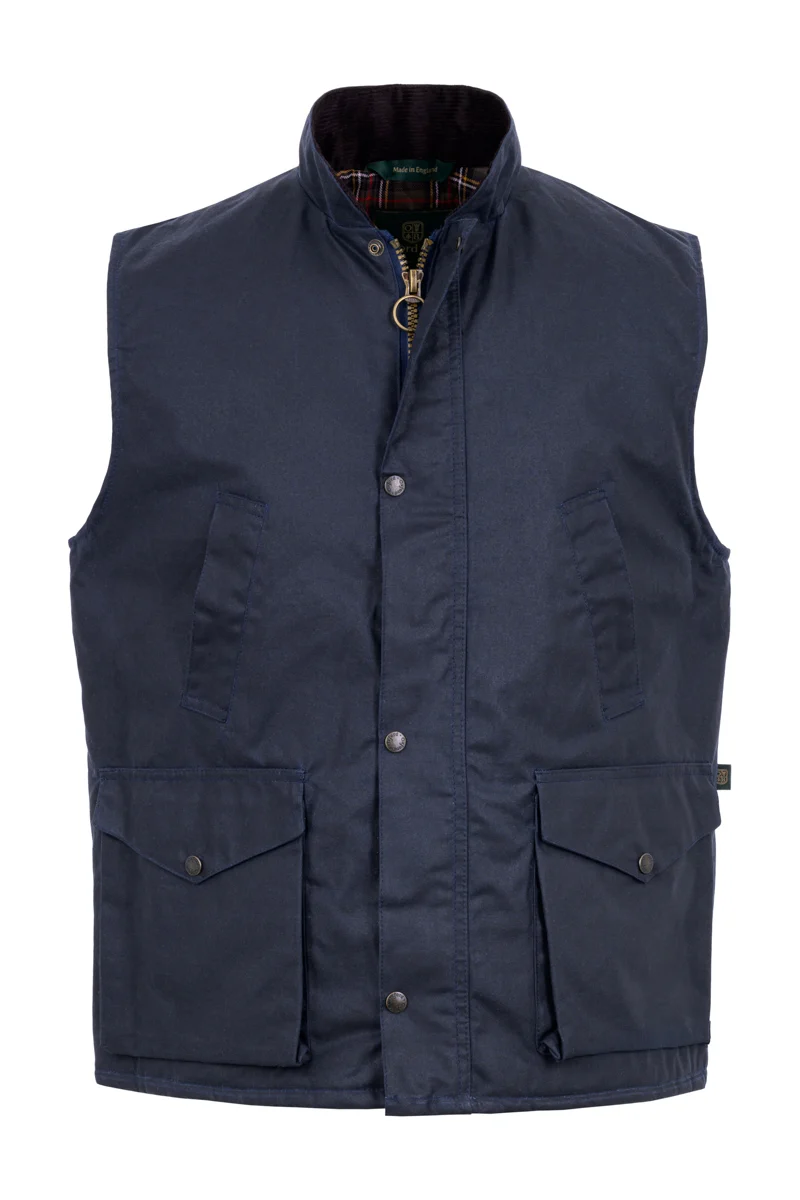
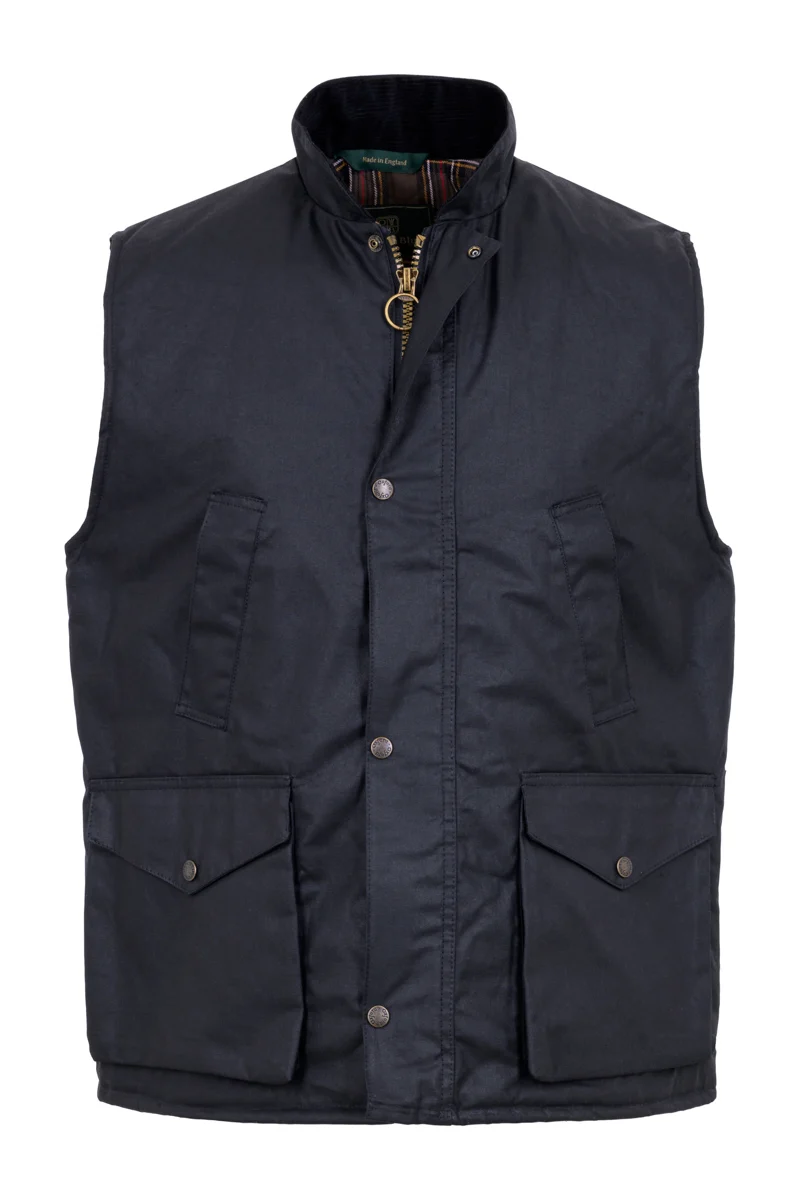
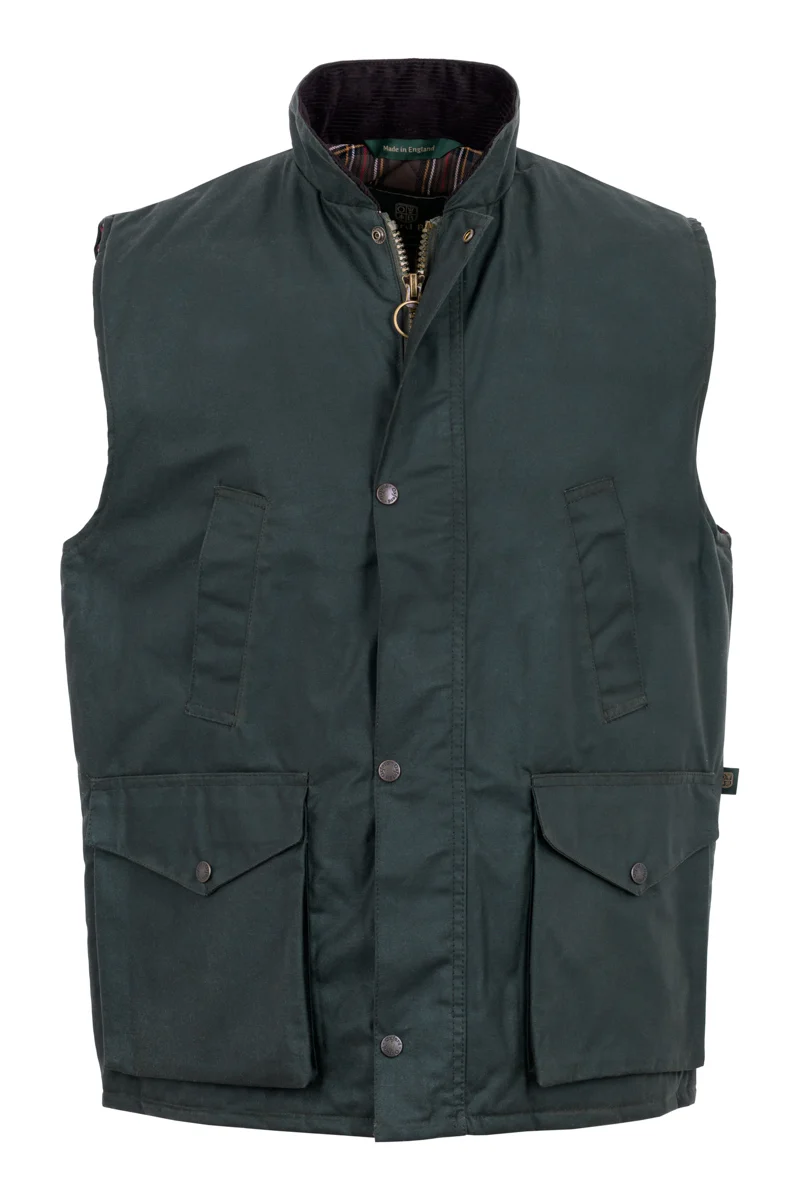
This independent directory lists UK-made clothing brands, and marks those that make only some items here.Why choose British-made?
A Brief History of British Made Gilets & Vests
The words “gilet” and “vest” both describe sleeveless upper-body garments, but they have different histories. “Gilet” is French for waistcoat, and dictionaries trace it through Spanish to the Turkish word yelek. In Britain today a gilet usually means a sleeveless jacket that closes at the neck, often padded for warmth. “Vest” has a British story of its own. In October 1666 King Charles II introduced a new fashion at court, which the diarist Samuel Pepys recorded as “a vest”. This long garment, worn under an open coat, developed into the waistcoat, a lasting part of men’s tailored dress. In British English “vest” now usually means a close-fitting undershirt, while in American English it still means a waistcoat. In modern menswear, gilets and vests are worn for practical layering in cooler weather and as part of casual, country and smart-casual dress, keeping the body warm while leaving the arms free. British makers draw on both tailoring and outdoor wear, using good cloth and careful construction to make garments that balance warmth, freedom of movement and everyday use.