British-Made Men's Blazers, Sports Coats & Jackets in West Yorkshire — Voted by the Community
 Yorkshire · est. 1976 · Premium
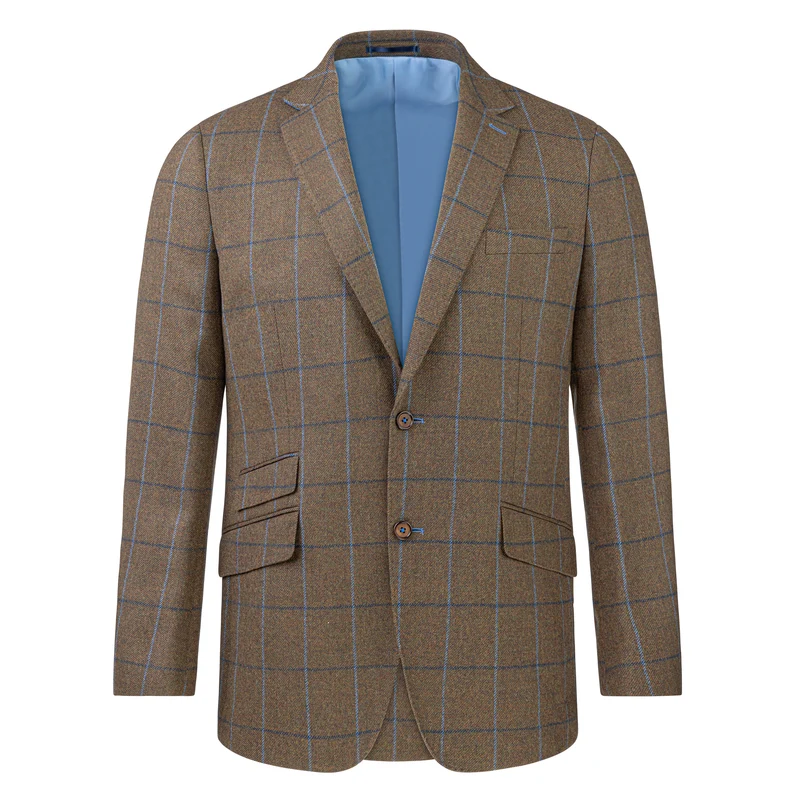
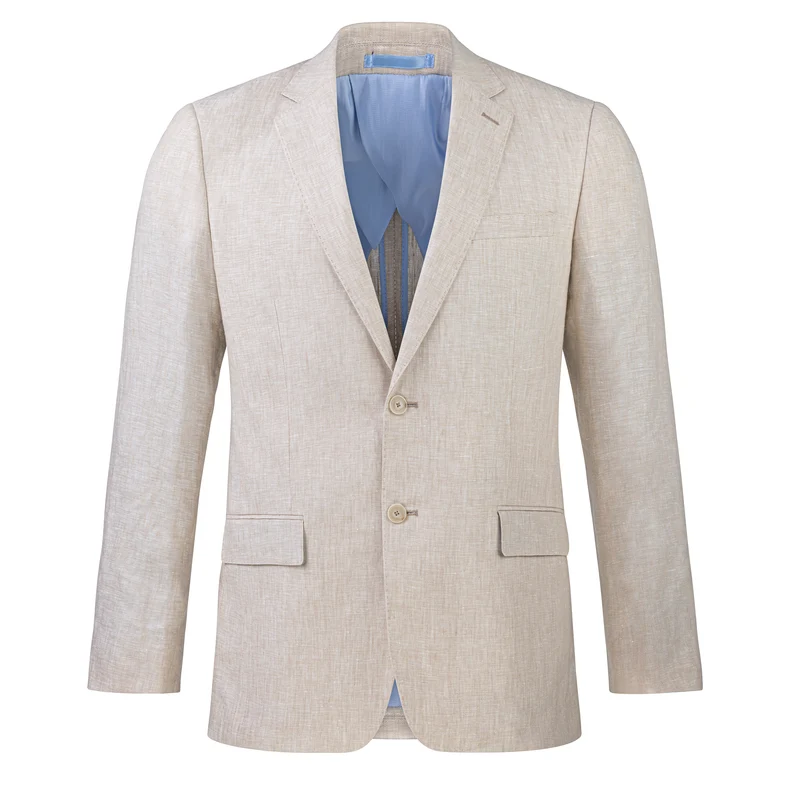
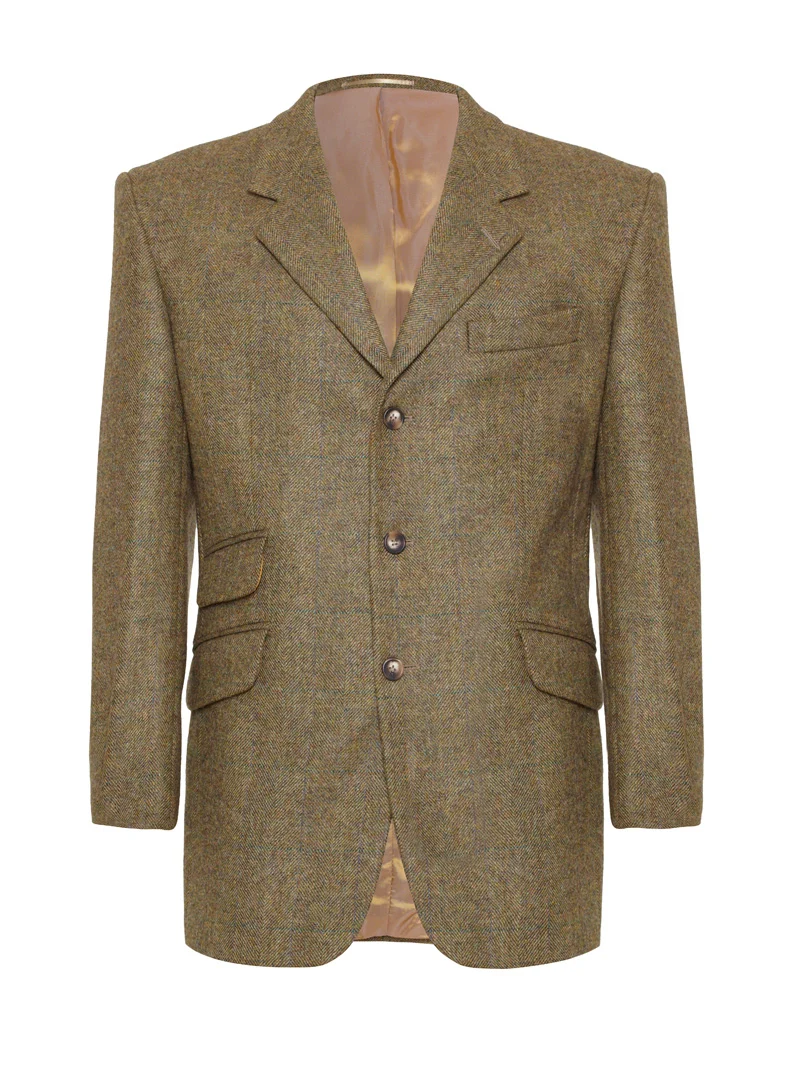
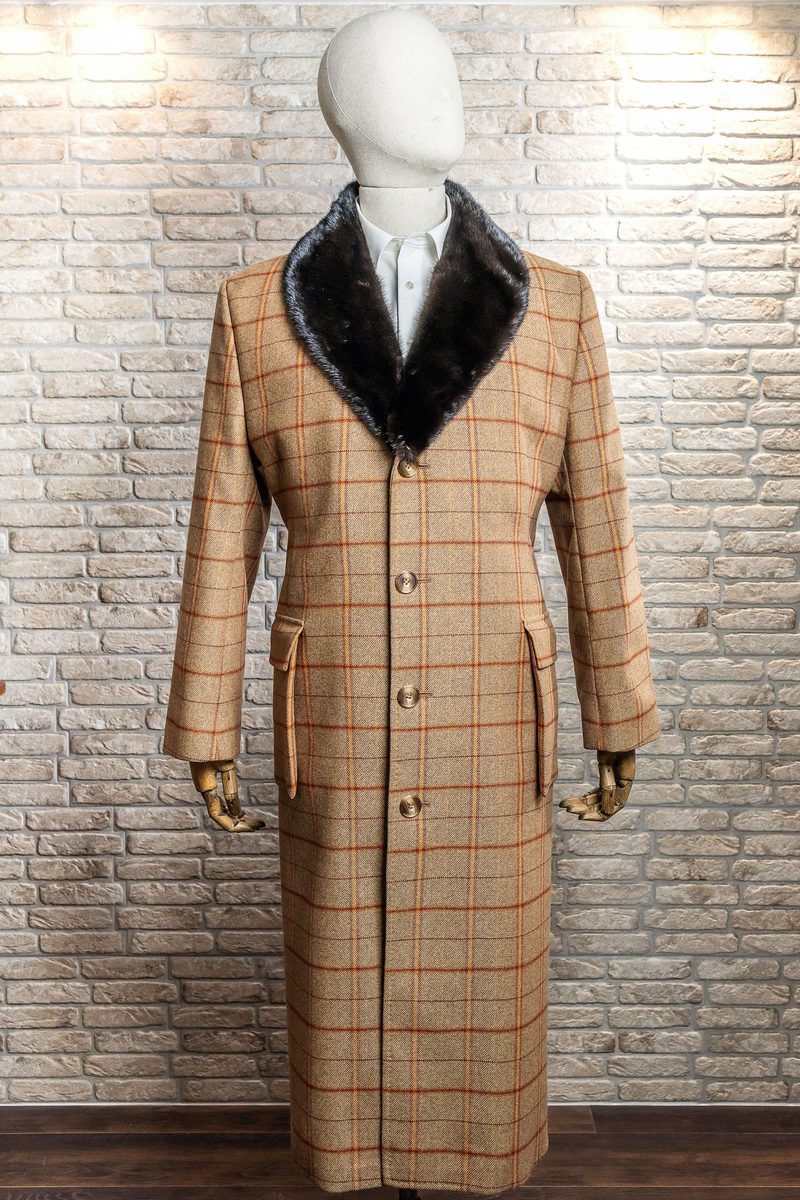
Ratcatcher is a Yorkshire-based brand that has been delivering high-quality country clothing for over 50 years. They take pride in their craftsmanship, manufacturing in Yorkshire and designing exclusive made to measure garments.
 Yorkshire · est. 1929 · LuxuryFactory shop
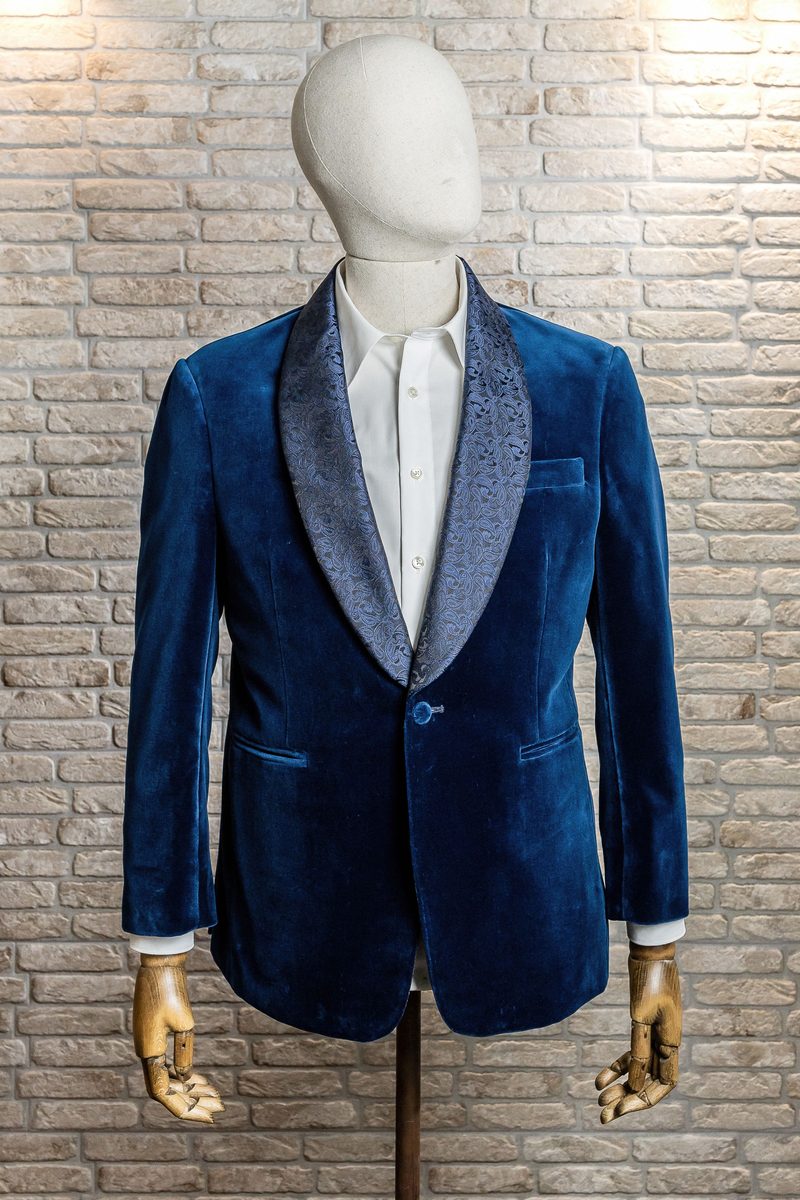
Carl Stuart Tailors specialises in bespoke and made to measure suiting, crafted in their West Yorkshire factory since 1929.
 See brands in West Yorkshire on the map3 places from 3 brands, 2 of them shops you can visit.Open the map
- Des MerrionFormalEngland · LuxuryShop to visit
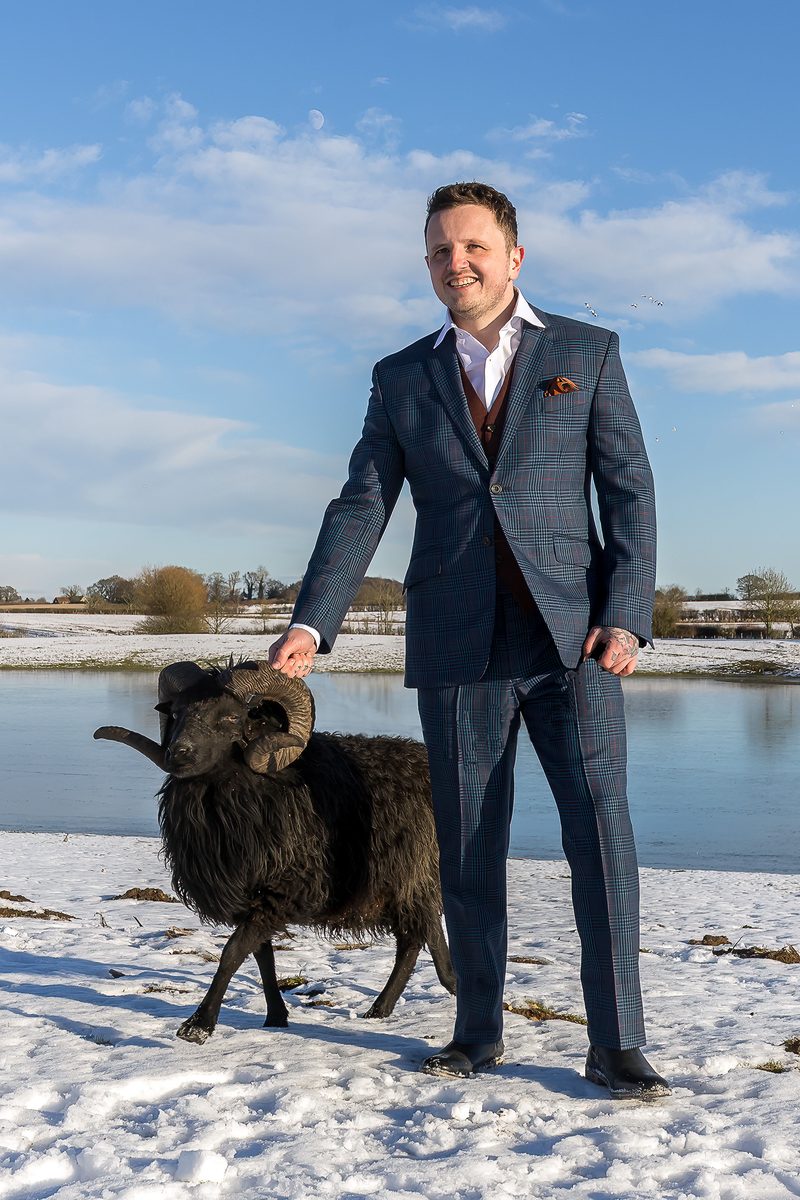
Des Merrion offers bespoke tailoring for men and women, handcrafting suits, jackets and trousers on site in Yorkshire with over 40 years of Savile Row experience.
This independent directory lists only UK-made clothing brands.
Why choose British-made?
- Support British manufacturing and preserve traditional craftsmanship
- Invest in quality clothing built to last with premium materials
- Choose ethical, transparent supply chains you can trust
- Reduce your carbon footprint by buying locally made products
- Discover authentic British design and heritage brands
A Brief History of British Made Blazers & Sport Coats
The garments grouped under blazers, jackets, and sportscoats have distinct origins that reflect both British tailoring and practical clothing demands. The blazer itself traces back to early nineteenth-century Britain, where brightly coloured jackets were worn by rowing clubs — notably at Cambridge — to distinguish crews during competitions. The striking cloth “blazed” with colour, giving rise to the name “blazer.” A separate but related tradition sees naval-style jackets with brass buttons worn aboard Royal Navy vessels in the 1800s contributing to the term’s broader use as a tailored jacket worn apart from matching trousers. British tailored jackets and sportscoats have roots in country clothing and sporting traditions. The sports jacket emerged from practical requirements for garments that offered ease of movement and durability for outdoor pursuits such as hunting, shooting, and fishing. A notable early example is the Norfolk jacket, developed for mobility and comfort in country settings, later evolving into more general casual tailoring. Together these influences helped shape a range of men’s jackets that balance structural tailoring with comfort and utility. Over the twentieth century, these pieces moved from purely functional or club-based wear into mainstream menswear, forming a core part of British clothing culture known for combining craftsmanship with versatile style.