 Everbound Goods
About Everbound Goods
After more than a decade designing consumer electronics, Tom wanted to set out to create something different: objects with soul, built to last a lifetime rather than a product cycle. Lucy (Tom's wife) is a secondary school geography teacher with a passion for the planet and the importance of sustainability. Together, their desire to return to craftsmanship, making things that age with grace, carry stories, and genuinely look after their owner for a lifetime led to them creating Everbound Goods in their home city of Bristol.
A core part of the brand's identity is where its materials come from. We source leather exclusively from British businesses and manufacturers, deliberately choosing to support domestic industry and maintain close relationships with suppliers. With only a handful of tanneries still operating in the UK, each represents a rare and dwindling legacy of craft. We visit these places personally, speaking directly with the people behind the work and seeing the tanning process first-hand. We do this not just for quality, but integrity and traceability.
Material honesty is another foundational principle. In a market full of veneers and synthetic coatings that mimic premium materials but quickly degrade, we are committed to using materials that are exactly what they appear to be. The leather we choose is meant to wear with grace, a scuff mark should tell a story, not expose a shortcut. As surfaces age, they should deepen in character rather than crack or fall apart.
Sustainability is woven into every choice we make. Everbound Goods primarily use vegetable-tanned leather, a biodegradable material made with natural tannins and a by-product of the meat industry. By choosing it, we make use of what would otherwise go to waste, while honouring Britain's long tradition of leathercraft and prioritising longevity over landfill.
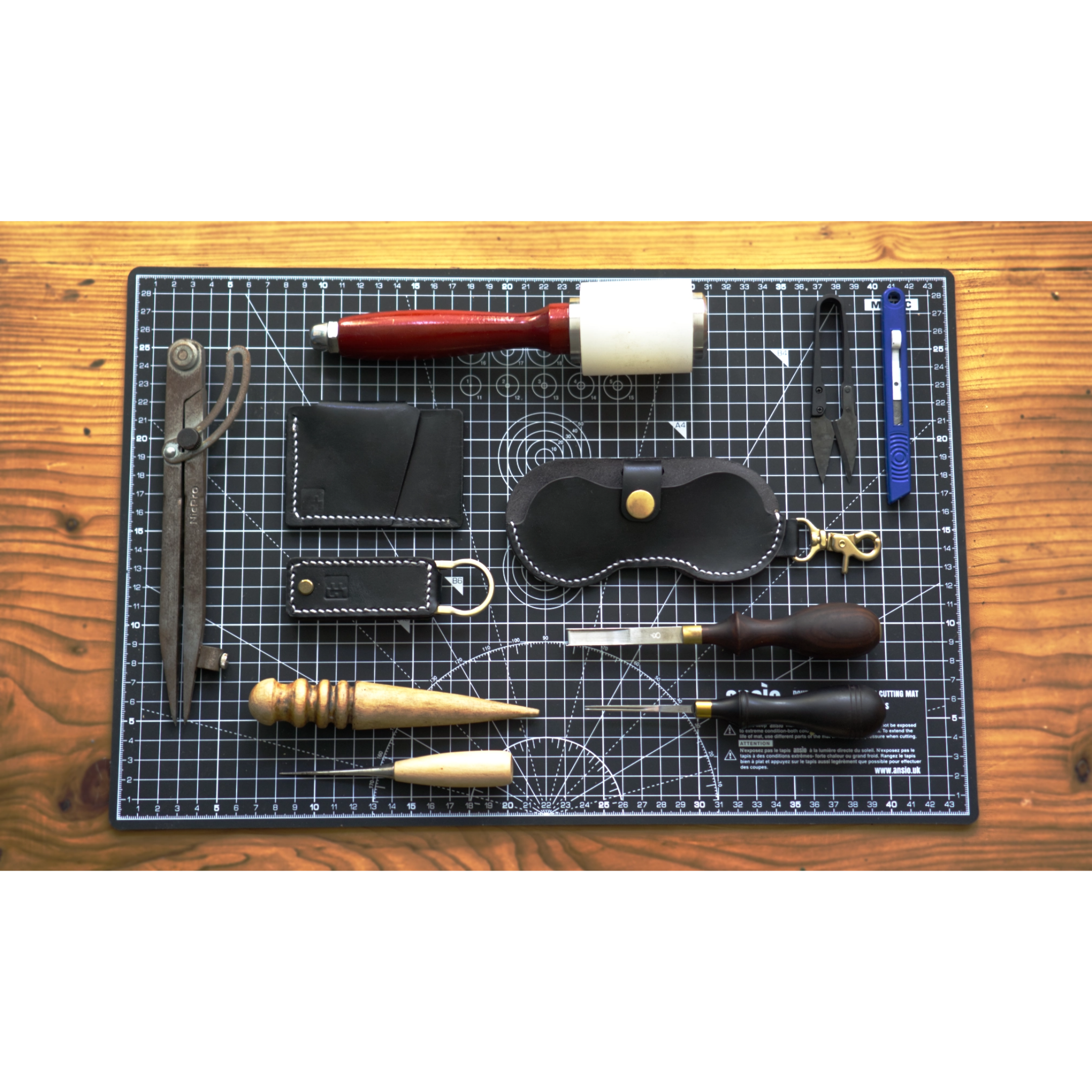
For now, Everbound operates with a deliberately limited product line, items made with care and skills that take persistence to master. Looking ahead, we aspires to work with more British tanneries, diversify the range, and take on more bespoke commissions.
Details
- Country
- England
- Based in
- Bristol
- Founded
- 2025
- Price range
- Premium (££)
- Blog
- Read the blog
Location
View on mapShowcase
25 June 2026Everbound Goods
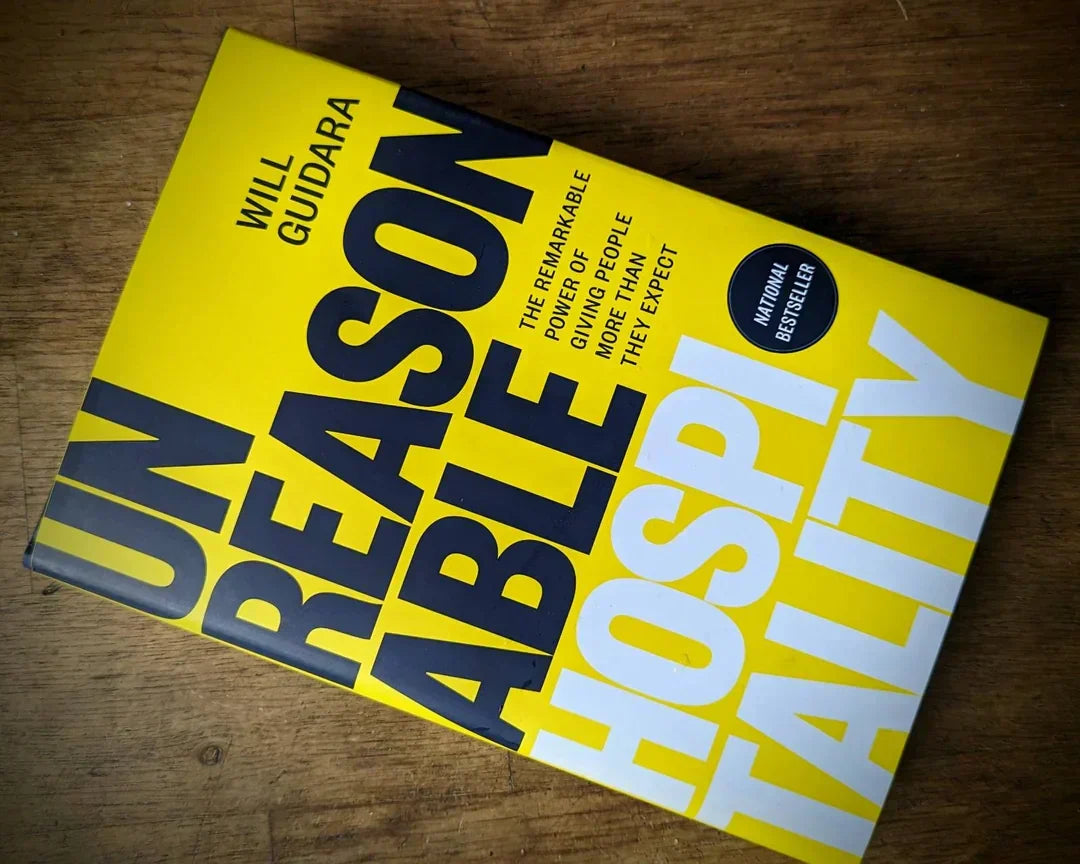
What Unreasonable Hospitality Taught Me About Giving Memories
I picked up Unreasonable Hospitality as a product designer, not a leatherworker. It was meant to be some professional reading off the back of listening to a interview, the kind of book you take on to sharpen how you think about process, service and the experience built around a product. I expected it to be a engaging r
29 May 2026Everbound Goods
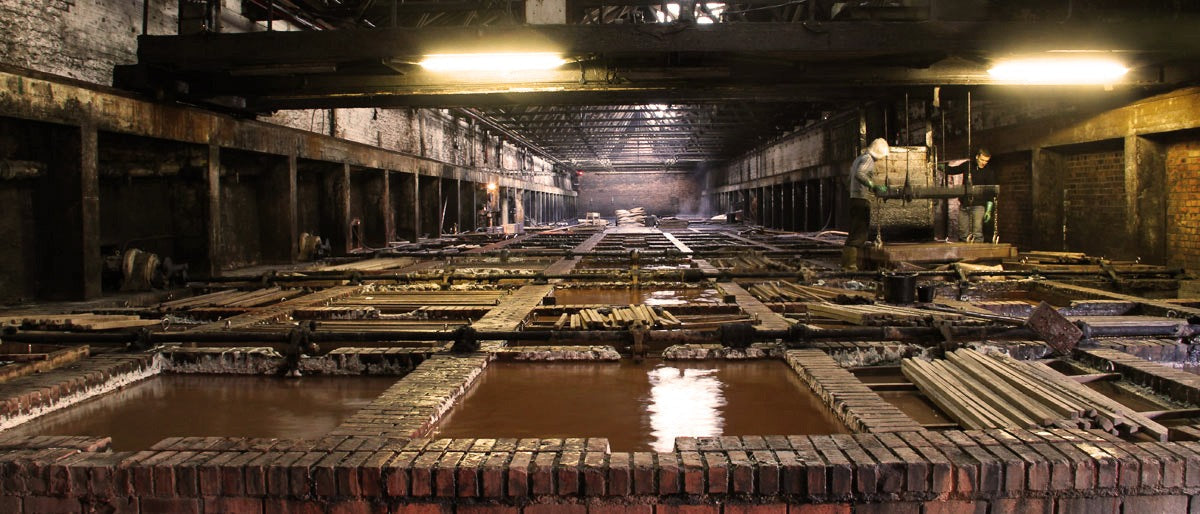
Veg Tan vs Chrome Tan: The Case for plants & bark Over Chemicals
Veg tan vs chrome tan: how oak bark and acorns make leather without heavy metals, why it patinas, and why British tanneries are quietly disappearing.
24 May 2026Everbound Goods
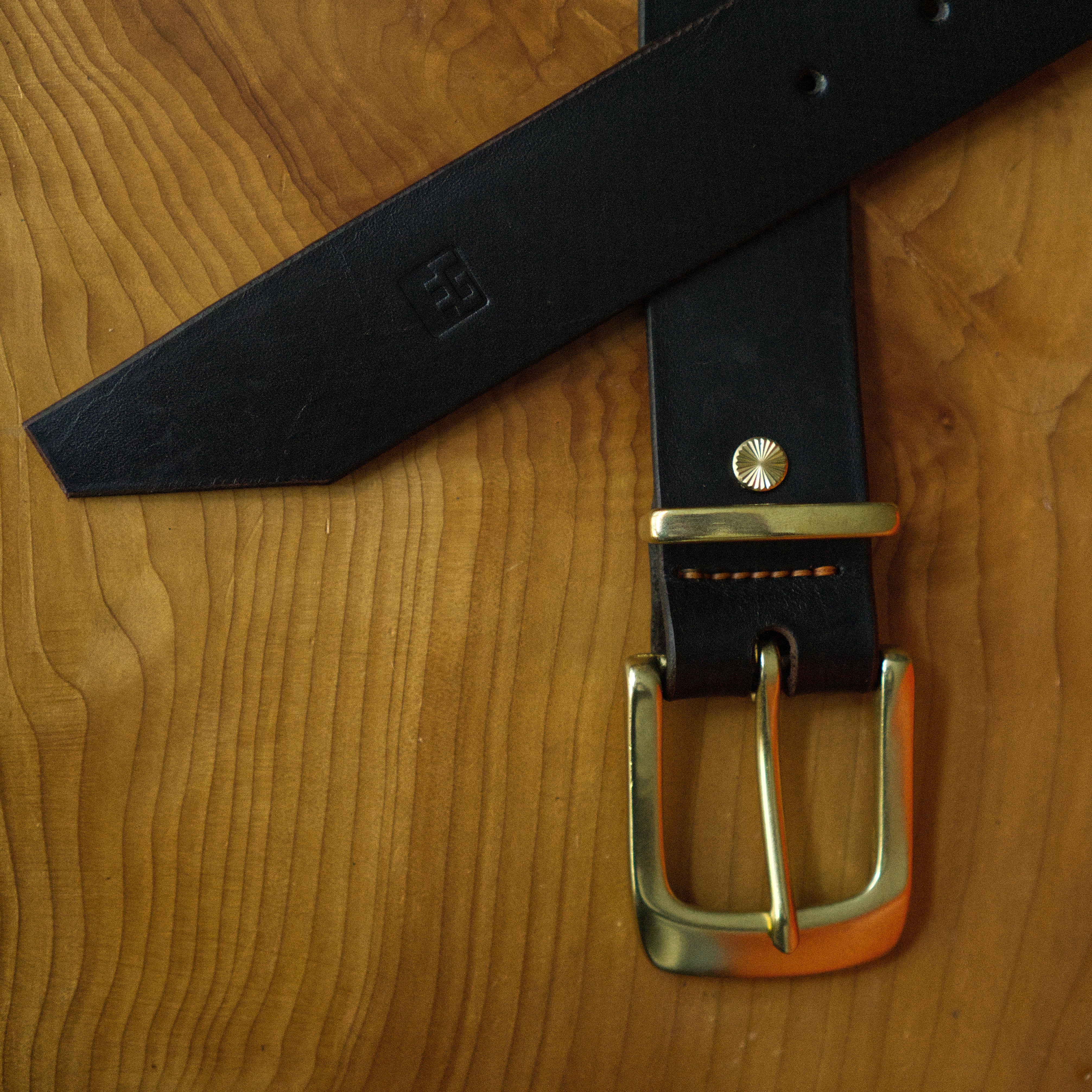
Why 'Buy-It-for-Life' Leather Goods Cost Less Over Time
Buy-it-for-life leather goods cost less over time. Here's how natural materials and handmade craft beat mass-produced polymer in money and impact.